
China Top Advanced Orthopedic Surgery Suppliers
Choosing a supplier for advanced orthopedic surgery requires more than comparing product catalogs. China’s medical-device sector includes manufacturers and distributors offering implants, surgical instruments, powered tools, and operating-room systems. The right partner can affect procedure planning, instrument availability, and the consistency of support after delivery. Details count.
This guide examines how to assess China’s leading suppliers without treating “top” as a universal ranking. It considers product range, manufacturing capabilities, quality documentation, clinical evidence, and service support. Buyers can look for clear information on materials, sterilization status, traceability, and compatibility with established surgical workflows. They should also verify relevant certifications and market approvals for their own region; a supplier’s broad claim is not a substitute for checking the underlying documents.
Practical evaluation goes beyond brochures. Ask how instruments are maintained, whether replacement parts are available, and how staff training is provided. Review response times, complaint handling, and the supplier’s experience supporting hospitals or distributors with similar needs. No single checklist can capture every clinical setting. Comparisons can be imperfect, especially when companies disclose different levels of detail. That limitation deserves attention. A careful review of evidence, service capacity, and fit can help readers build a shortlist grounded in their requirements rather than marketing language.

Overview of China’s Advanced Orthopedic Surgery Supplier Sector
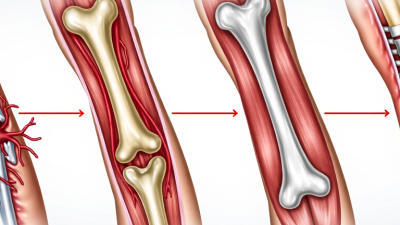
China’s advanced orthopedic surgery supplier sector includes manufacturers of implants, surgical instruments, imaging systems, and planning software. These products support procedures ranging from fracture fixation to joint replacement. The sector is not one uniform market: suppliers differ in engineering depth, production scale, and experience with complex clinical needs.
A closer look at a supplier should go beyond a polished catalogue. Buyers can ask how materials are traced, how dimensions are checked, and whether production records connect each device to its inspection results. For instruments, practical details matter: grip, balance, cleaning access, and compatibility with the surgical workflow. For implants, design verification and clinical evidence deserve careful review. Details matter.
China’s manufacturing base can offer broad product ranges and responsive production, but capability should be assessed case by case. A factory’s equipment alone does not establish consistent quality. Independent audits, documented quality systems, technical support, and transparent handling of complaints can provide a clearer picture. Some information may still be difficult to compare across suppliers, so procurement teams should define requirements before requesting quotations. That step is easy to skip. It can lead to mismatched specifications, unclear service expectations, or delays in evaluation. The sector is developing quickly, yet careful verification remains essential.
Key Technologies and Products in Orthopedic Surgery
China Top Advanced Orthopedic Surgery Suppliers
Key Technologies and Products in Orthopedic Surgery
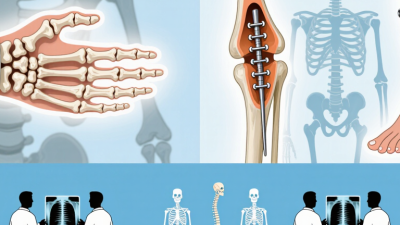
Orthopedic surgery relies on precise implants, imaging, and instruments. Common products include hip and knee replacements, trauma plates, spinal fixation systems, surgical drills, and navigation tools. The World Health Organization’s 2022 musculoskeletal conditions report estimates that 1.71 billion people live with these conditions worldwide. This burden makes reliable product design and follow-up clinically important. It does not mean every patient needs surgery.
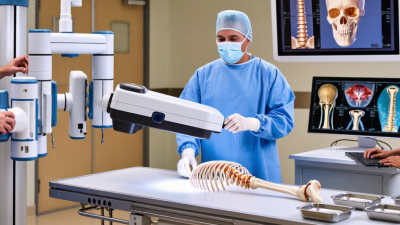
Advanced systems can combine preoperative imaging with computer navigation or robotic assistance. These tools help surgeons plan component position and track instruments during procedures. Additive manufacturing can produce porous titanium surfaces designed to support bone integration. Yet technology alone cannot guarantee better outcomes. Fit, material quality, sterilization, and clinical training matter. A supplier’s technical documentation and traceability deserve close review. One limitation is that published performance data may not reflect every hospital’s workflow.
How to Evaluate Orthopedic Surgery Suppliers in China
China Top Advanced Orthopedic Surgery Suppliers
How to Evaluate Orthopedic Surgery Suppliers in China
Evaluate each supplier against the specific procedure and device requirements. Ask for current quality-system certificates and check their scope, validity, and issuing body. Review product specifications, material details, sterilization information, and traceability records. Documentation should match the actual product, not just look complete. Request evidence of regulatory clearances relevant to your destination market, and confirm details with the appropriate authorities when needed.
Tips: Compare the same criteria across suppliers. Keep a written checklist. Ask who handles technical questions, product complaints, and replacement parts.
A factory visit or independent audit can reveal practical details, such as inspection steps and how staff store records. If an onsite review is not possible, request a live walkthrough and sample documents. Check whether training materials and after-sales support are available in a language your team understands. A polished catalogue can be useful, but it cannot prove consistent manufacturing. Remote reviews also have limits; some details are easy to miss. Record unresolved questions and seek qualified clinical or regulatory advice before making purchasing decisions.
| Evaluation Dimension | Suggested Weight | What to Verify | Evidence to Request | Potential Warning Signs |
|---|---|---|---|---|
| Regulatory Status and Market Authorization | 20% | Confirm that each device is authorized for the intended market and that the authorization covers the exact product model, intended use, and manufacturing site. For China, check the applicable NMPA registration or filing requirements; device classification depends on the product. | Current registration or filing records, product-model lists, certificate scope, and confirmation that the legal manufacturer and production site match the documents. | Certificates that are expired, out of scope, issued for a different model or site, or presented without verifiable registration details. |
| Quality Management System | 20% | Assess whether the supplier operates a documented medical-device quality system and whether its controls cover design, production, inspection, nonconformities, corrective actions, and traceability. | Valid ISO 13485 certificate and scope, recent audit information, quality procedures, corrective-action summaries, and sample batch records with sensitive information removed. | A certificate that does not cover the relevant site or product activity, unresolved major audit findings, or inability to provide basic quality records. |
| Product Design and Technical Documentation | 15% | Review intended use, specifications, materials, design controls, risk management, verification, and validation. For implants and instruments, confirm compatibility and identify any stated limitations. | Technical specifications, material declarations, risk-management documentation, verification and validation summaries, instructions for use, and product-change history. | Unexplained specification differences, unsupported performance claims, incomplete instructions, or unclear responsibility for design changes. |
| Manufacturing Capability and Process Control | 15% | Evaluate capacity, process controls, inspection methods, equipment maintenance, supplier controls, and the ability to trace finished devices back to relevant production records. | Process flow, facility and equipment overview, inspection plans, calibration records, traceability examples, and a quality-system audit or site assessment. | Uncontrolled subcontracting, inconsistent production records, inadequate inspection documentation, or capacity claims that cannot be supported. |
| Sterilization and Packaging Controls | 10% | For products supplied sterile, verify the sterilization method, validation status, packaging integrity, and labeled shelf life. Requirements depend on the device and chosen sterilization process. | Sterilization validation and routine-monitoring records, packaging validation, sterile-barrier information, and shelf-life evidence. Relevant standards may include ISO 11135, ISO 11137, or ISO 17665, depending on the method. | Unclear sterilization responsibility, missing validation evidence, damaged or inconsistent packaging, or shelf-life claims without supporting data. |
| Supply Continuity and Traceability | 8% | Check lead-time assumptions, production planning, critical component sourcing, lot identification, complaint handling, and procedures for recalls or field actions. | Documented lead-time ranges, continuity plans, lot-traceability examples, complaint and recall procedures, and communication timelines for supply interruptions. | No reliable lot-level traceability, undisclosed critical subcontractors, or no documented process for handling product shortages or recalls. |
| Technical Support and Training | 7% | Clarify the scope and availability of technical support, product training, complaint investigation, and post-sale assistance in the destination market. | Written support and training arrangements, response-time commitments, language coverage, complaint-escalation contacts, and service documentation. | Vague support commitments, no clear complaint contact, or training claims without a defined scope or qualified personnel. |
| Commercial Transparency and Total Cost | 5% | Compare quotations on equivalent specifications and terms, including packaging, sterilization, documentation, shipping, payment, warranty, and change-control responsibilities. | Itemized quotation, written supply terms, warranty conditions, product-change notification process, and clear identification of the contracting and manufacturing entities. | Unitemized charges, unclear contracting parties, undocumented substitutions, or pricing that excludes essential compliance and delivery costs. |
| Suggested use: The weights are a buyer-defined evaluation framework, not verified ratings of individual suppliers. Score each dimension using documented evidence, confirm requirements for the destination market, and conduct appropriate regulatory, quality, and facility due diligence before purchasing. | ||||
Leading Supplier Categories and Their Specialties
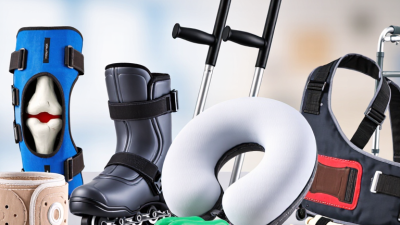
Advanced orthopedic surgery suppliers generally fall into several specialized categories. Implant and instrument suppliers focus on plates, screws, joint components, and procedure-specific tools. Their value depends on material traceability, clear sizing, and instruments that fit the surgeon’s workflow. Small details matter. A handle that is difficult to clean or a size range with gaps can complicate planning.
Navigation and surgical technology suppliers provide imaging systems, planning software, and robotic or computer-assisted tools. These systems can help teams review anatomy and guide instrument placement, but they require staff training and dependable technical support. Imaging and planning suppliers also help convert scans into usable surgical models. Accuracy depends on image quality and careful review, not software alone.
Other suppliers specialize in sterile processing, operating-room equipment, and bone graft or fixation materials. Buyers should check compatibility, service response times, documentation, and training needs alongside product specifications. A polished demonstration is not the same as reliable performance during a busy operating schedule. Still, no category works perfectly for every hospital. Teams should compare products against their case mix, available skills, and maintenance capacity, then reassess after real use.
Quality Standards, Regulation, and Market Access in China
China’s advanced orthopedic surgery market rewards suppliers that treat quality as a documented process, not a sales claim. For implants and surgical instruments, evidence may include mechanical testing, material traceability, sterilization validation, and packaging studies. Requirements depend on device classification and intended use. This is easy to underestimate.
Market entry generally involves meeting National Medical Products Administration requirements, with registration or filing pathways varying by product. Overseas manufacturers typically need a domestic agent to support regulatory communication. Technical documents, Chinese-language instructions, labeling, and clinical evidence should align with the device’s claims. Standards and guidance can change, so suppliers should verify current requirements with qualified regulatory professionals. A polished dossier helps, but it cannot replace consistent manufacturing records.
Approval is only one step toward hospital access. Buyers may assess clinical suitability, service support, training, delivery reliability, and total cost. Provincial procurement processes and hospital purchasing policies can also shape availability. A practical supplier should be ready to explain how an implant performs under specific surgical conditions, and how problems are investigated after delivery. One gap deserves attention: documentation may be strong while local support remains thin. Surgeons notice that quickly.
Related Posts
-
What Is the Best Orthopedic Surgery Equipment in 2026?
-
How to Effectively Treat Bone Fractures at Home?
-
China Top Innovations in Bone Regeneration Medicine for Better Health?
-
What Are the Top Stages of the Bone Healing Process?
-
10 Best Bone Fracture Treatment Products for Buyers
-
What Are the Types of Fracture Fixation Methods?