10 Best Bone Fracture Treatment Products for Buyers
Choosing products for bone fracture treatment can feel simple until the options appear: casts, braces, splints, walking boots, and mobility aids. Each serves a different purpose. The right choice depends on the fracture, its location, the stage of healing, and a clinician’s plan. A product that looks sturdy on a shelf may still fit poorly or restrict movement more than intended.
Orthopedic surgeon Paul Brand and writer Philip Yancey captured one part of recovery in their book title, Pain: The Gift Nobody Wants. Pain matters, but it is not a reliable measure of whether a fracture is healing well. A clinician’s assessment and appropriate imaging provide the needed context. Products can support comfort, protection, or mobility, but they do not replace diagnosis or medical care.
This guide compares ten bone fracture treatment products by their intended use, fit, materials, and practical limits. Details matter. A boot’s straps should sit flat; a brace should not cause numbness or skin irritation. Some products may suit one injury and be unsuitable for another. No product is perfect. Buyers should confirm compatibility with a qualified healthcare professional, especially after surgery or when swelling changes. The aim is not to promise faster healing, but to help readers ask better questions and choose more confidently.
Frame Buyer Needs: IOF Estimates 8.9 Million Fragility Fractures Yearly
The International Osteoporosis Foundation estimates that 8.9 million fragility fractures occur worldwide each year. That is roughly one fracture every few seconds. The figure represents older adults facing pain, limited movement, and ordinary tasks like rising from a chair. For buyers, this burden makes reliable fracture-care supplies more than a catalog choice. Products should support clinicians and patients through assessment, stabilization, surgery, and rehabilitation. Needs differ. A wrist fracture, hip fracture, and vertebral fracture do not call for the same tools.
When comparing treatment products, buyers should check intended use, material quality, sizing range, sterility status, and compatibility with clinical workflows. Clear instructions and dependable supply matter, too. A device that arrives late or fits poorly can disrupt care. Ask for technical documentation and evidence supporting stated performance, then involve orthopedic teams in evaluation. Small details count. A cast that is difficult to apply, or an aid that is hard to clean, can create avoidable friction. Consider training, maintenance, and follow-up needs, not only unit price. No product prevents every complication, and purchasing decisions cannot replace clinical judgment. The IOF estimate shows the scale of need, but it cannot describe every patient. Buyers must balance evidence, usability, and access while recognizing that local data may be incomplete.
Classify Fractures With the AO/OTA System Before Comparing Treatments
Before comparing braces, splints, fixation equipment, or rehabilitation aids, classify the fracture. The AO/OTA system records the bone, its segment, and the fracture pattern using a shared clinical language. For example, a tibial shaft fracture is coded 42; a distal tibial fracture is coded 43. That distinction matters. Products designed for one location may not suit another.
The Global Burden of Disease 2019 study estimated 178 million new fractures worldwide that year, with 455 million people living with fractures. These figures underline the value of precise assessment, but a code is not a treatment plan. Clinicians also consider displacement, soft-tissue damage, bone quality, age, and weight-bearing needs before evaluating options. Some cases resist tidy labels on the first read. Classification can guide a comparison, not replace imaging or professional judgment. Buyers should confirm that product information clearly identifies intended fracture locations and use, rather than relying on a broad claim of suitability.
Map 10 Product Types: Casts, Braces, Fixation Devices, and Bone Stimulators
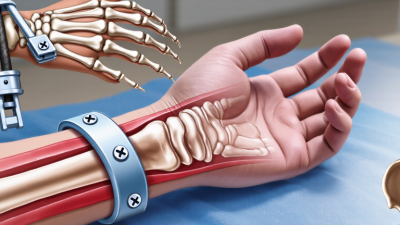
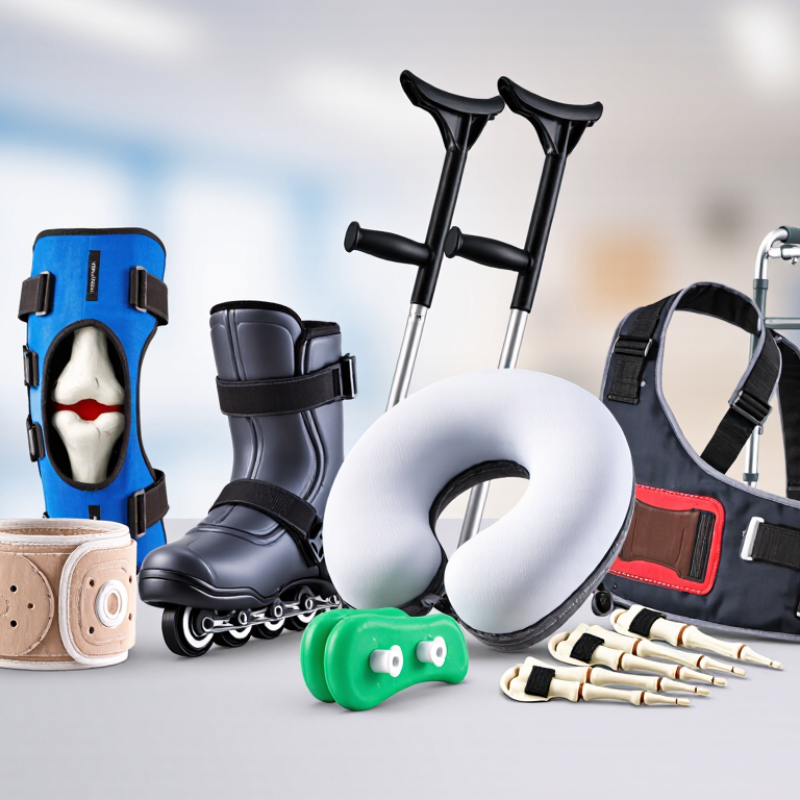
Fracture care spans ten distinct product types, and they are not interchangeable. Fiberglass casts are lightweight and resist everyday moisture, while plaster casts mold closely around the limb. Removable walking boots support selected lower-leg and foot fractures. Wrist braces and hinged knee braces limit movement while allowing clinicians to adjust fit and support. Fit matters. A brace that slips or presses on skin needs reassessment.
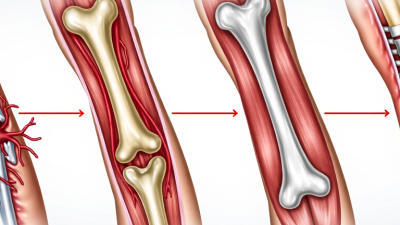
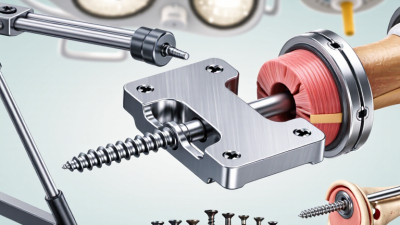
For surgical stabilization, intramedullary nails sit inside long bones, while plate-and-screw systems secure fragments along the bone surface. External fixators hold bones with pins connected to a frame outside the body. K-wires can stabilize smaller bones or fragments. These devices require trained clinical use; buyers should check dimensions, materials, sterility status, and product documentation against the intended procedure. Hardware is not a substitute for sound surgical planning.
Bone stimulators use electrical or ultrasound energy as an adjunct in selected cases of delayed healing or nonunion. Their suitability depends on the fracture, healing history, and clinician guidance; evidence and protocols can vary. That uncertainty deserves attention. Buyers should compare intended use, compatibility, service requirements, and the quality of supporting evidence, rather than treating every product category as a standalone solution.
10 Best Bone Fracture Treatment Products for Buyers
A comparison of common product types by their typical role in fracture care
The 0–3 scale is an ordinal description of typical function, not a measure of product quality or treatment effectiveness: 0 = adjunct healing support, 1 = support or positioning, 2 = immobilization, and 3 = surgical fixation. Actual treatment depends on the fracture and clinical assessment.
Use AAOS’s Typical 6–8-Week Healing Window to Set Expectations
For buyers comparing bone-fracture treatment products, the AAOS’s typical 6–8-week healing window is a useful planning guide, not a deadline. Many fractures need roughly this long to heal, but bone, injury severity, age, and overall health can change the timeline. Healing varies. A brace, cast cover, or mobility aid may improve comfort and daily function, but it does not make a fracture heal faster. Ask the treating clinician which products fit the specific injury and stage of recovery.
Choose practical details over impressive claims. A crutch should feel stable on the floor and fit the user’s height; a cast cover should seal comfortably without squeezing the limb. For a wheelchair or shower chair, consider doorway width, transfer needs, and where the item will be stored. Small details matter. Pain, swelling, or difficulty using a device may mean it needs adjustment or professional review. Do not change prescribed immobilization without guidance.
Tips: Keep follow-up appointments, even when the limb feels better. Track pain, swelling, and instructions in a simple daily note. If symptoms worsen or the cast feels unusually tight, contact a healthcare professional promptly. Recovery can be uneven; a missed expectation deserves a conversation, not guesswork.
Check FDA Clearance, Clinical Evidence, Fit, Risks, and Total Cost
Before buying a fracture-care product, check its exact FDA status and intended use. A device may be FDA-cleared for one purpose, not every fracture or patient. Ask a clinician to verify whether it suits the injury and treatment plan. Look for clinical studies on similar patients and outcomes, not just testimonials. Evidence can be uneven.
Fit matters in daily use. A brace should stay secure without rubbing skin, pinching, or restricting circulation. Check sizing instructions, adjustment points, and whether it fits over the clothing or dressing you use. Ask about cleaning and wear time. Stop and seek clinical advice if pain, numbness, swelling, or skin irritation worsens. Small details count.
Compare the full cost, not only the listed price. Include fitting visits, replacement liners, batteries, shipping, and follow-up appointments. Confirm what insurance may cover before ordering. I would be cautious about products promising unusually fast healing; that claim needs strong, relevant evidence. It is easy to overlook comfort until the first long day of wear.