

China Best Spinal Disorder Treatment Hospitals?

Choosing among China’s hospitals for spinal disorder treatment requires more than scanning a ranking. A person with a herniated disc may need different care from someone with scoliosis, spinal stenosis, or a spinal tumor. The best fit depends on the diagnosis, the team’s relevant experience, and the patient’s goals. Small details matter: clear explanations, accessible medical records, and a realistic recovery plan.

Surgeon and writer Atul Gawande wrote, “Better is possible. It does not take genius. It takes diligence.” This is not a spine-specific guideline, but it offers a useful standard when comparing care. Look for hospitals that explain non-surgical options, discuss risks in plain language, and coordinate surgeons, neurologists, pain specialists, and physical therapists. Ask how they track function after treatment, not only which procedures they offer. A polished building is not proof of better results.

When reviewing hospitals, verify clinicians’ credentials through official profiles and relevant professional bodies. Ask how often the team treats the specific disorder and who will provide follow-up after discharge. International patients may also need to confirm language support, itemized costs, and access to imaging reports. Rankings can help orient a search, but their methods may be unclear or outdated. That limitation deserves attention. No hospital can promise a cure, and a second opinion may change the plan. This guide compares practical signs of quality while recognizing that individual needs do not always fit neatly into a league table.

China Best Spinal Disorder Treatment Hospitals?

Understanding Spinal Disorders and Available Treatments

China Best Spinal Disorder Treatment Hospitals?

Understanding Spinal Disorders and Available Treatments

Spinal disorders include herniated discs, spinal stenosis, scoliosis, fractures, and persistent back pain. Symptoms can range from a stiff lower back to numbness or weakness in a limb. The World Health Organization’s 2023 report on chronic primary low back pain notes that this condition affected about 619 million people worldwide in 2020. That is a substantial burden. A related Global Burden of Disease analysis in The Lancet Rheumatology projects 843 million cases by 2050. These figures describe population trends, not an individual diagnosis. They also cannot tell us which treatment will work for one person.

Care depends on the cause, symptoms, health history, and examination findings. For many people with chronic primary low back pain, WHO guidance supports education, structured exercise, and selected psychological or medical care. Treatment may also include physical therapy and pain management. Surgery is considered for specific problems, such as certain nerve compression cases, rather than back pain alone. A careful assessment matters. New bladder or bowel problems, or rapidly worsening weakness, require urgent medical evaluation. Broad statistics can guide planning, but they can oversimplify real lives; even a sensible treatment plan may need adjustment as symptoms change.

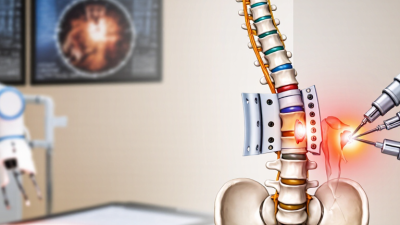
How to Assess Spinal Disorder Hospitals in China

Assess a spinal disorder hospital by the people and process behind its care, not by a ranking alone. Check whether spine surgeons, neurologists, radiologists, and rehabilitation specialists collaborate when appropriate. Ask who will review your scans and explain the diagnosis. Clear answers matter. Staff should discuss both non-surgical options and possible procedures, including likely benefits, risks, and recovery needs. A recommendation that arrives before a careful examination deserves a second look.

Look for relevant clinical experience, current professional credentials, and access to suitable imaging and rehabilitation services. Ask how the team handles conditions like yours, rather than relying only on a hospital’s overall reputation. Useful details include expected follow-up, pain management, and who to contact if symptoms worsen. No score captures everything. Hospital websites may leave out inconvenient details, so request written information about treatment plans, fees, and discharge arrangements. If answers remain vague, pause and seek another qualified opinion.

Communication is part of safety. Notice whether clinicians explain unfamiliar terms, invite questions, and give you time to consider choices. Bring scan reports, medication lists, and a brief timeline of symptoms; these details can make an appointment more productive. A polished consultation is not proof of a good fit, though. Consider whether the proposed plan reflects your health, daily needs, and preferences, rather than a one-size-fits-all pathway.

Major Hospitals and Their Spinal Care Specialties

China’s major spinal-care hospitals often concentrate expertise in different areas. Large tertiary teaching hospitals commonly assess complex deformity, spinal tumors, and revision cases through orthopedic and neurosurgical teams. Dedicated orthopedic centers may focus on scoliosis, disc disease, and minimally invasive procedures. Rehabilitation departments matter too, especially when recovery requires gait training, pain management, and gradual return to daily activities. The right fit depends on the diagnosis.

The World Health Organization’s 2023 low back pain fact sheet estimated that 619 million people experienced low back pain in 2020, with cases projected to reach 843 million by 2050.

That burden makes access to careful diagnosis important, but it does not prove that one hospital is best for every patient. Ask whether a center routinely treats the specific condition, offers imaging and rehabilitation, and explains both surgical and non-surgical options. Details matter.

For spinal stenosis, a team may assess nerve symptoms alongside walking ability. For scoliosis or vertebral fractures, clinicians may review standing X-rays and bone health. A second opinion can help when surgery is proposed. Hospital labels can be misleading; a famous department may not match an individual case. Referral pathways and appointment access also vary. Check credentials and discuss risks directly with the treating team.

Treatment Options and Multidisciplinary Services

China Best Spinal Disorder Treatment Hospitals? Treatment Options and Multidisciplinary Services

Choosing a hospital for a spinal disorder means looking beyond its reputation. Ask whether specialists assess your symptoms, imaging, medical history, and daily needs together. Treatment may include guided exercise, pain management, medication, or surgery, depending on the diagnosis and your overall health. A multidisciplinary team can include spine surgeons, neurologists, rehabilitation physicians, and physiotherapists. Their shared input may help clarify options and recovery expectations. Details matter.

Tips: Bring scan reports, medication lists, and a short symptom timeline. Ask what each treatment aims to improve, how progress is measured, and when another opinion may help. Clear questions can make a rushed appointment more useful.

Care should be explained in language you understand. Ask about possible benefits, risks, alternatives, rehabilitation plans, and follow-up arrangements. If surgery is discussed, ask how the team decides it is appropriate for your specific condition. Hospital services and access can vary, so confirm practical details such as interpreter support, appointment timing, and who coordinates care. Even a well-organized plan may need adjustment as symptoms change; that uncertainty is worth discussing openly.

How to Choose a Hospital and Plan Follow-Up

Choosing a hospital for a spinal disorder is about more than its ranking. Look for a team that regularly evaluates your specific condition, including spine surgeons, neurologists, radiologists, and rehabilitation professionals when appropriate. Ask who will coordinate your care and how treatment options are discussed. A clear explanation of likely benefits, risks, alternatives, and recovery time matters. Ask for specifics.

Bring recent imaging, reports, medication lists, and a short record of symptoms, such as when pain worsens or numbness began. If you are traveling within China, confirm appointment timing, language support, and whether records can be reviewed before arrival. A polished website can still leave practical questions unanswered; I would not treat reputation alone as proof of fit.

Before treatment, request a written follow-up plan. It should name the responsible clinician, expected review dates, rehabilitation arrangements, and how to report new symptoms. Ask whether follow-up can happen locally or remotely, and who reviews new imaging. Keep copies of instructions and contact details. If travel or cost makes frequent visits difficult, say so early; the plan may need adjustment. A family member can help note instructions, though they should not replace direct conversations with the care team.

Planning Follow-Up for a Spinal Disorder

Example timeline after an initial hospital assessment. Follow-up timing should be tailored by the treating clinician to the diagnosis, treatment, symptoms, and recovery.

Use each checkpoint to review symptoms, discuss test results or treatment response, and agree on the next step. Seek prompt medical advice if symptoms worsen or new concerning symptoms develop.

Menu
Quick Contact
close slider


error: Content is protected !!