
7 Tips for Effective Spinal Disorder Treatment?
Spinal disorder treatment is rarely a one-size-fits-all journey. Back and neck conditions may involve discs, nerves, joints, muscles, posture, or several factors together. A useful plan begins with an accurate evaluation, not a rushed promise of complete recovery.
David Hanscom, MD, a spine surgeon and author, writes, “The key to healing is learning to regulate your stress response.” His view reflects an important clinical reality: pain can involve physical injury, nervous-system sensitivity, sleep, movement, and emotional strain. However, this does not mean pain is imaginary. It means treatment may need more than a scan or prescription.
The seven tips in this guide focus on practical, evidence-informed decisions. They include seeking a careful diagnosis, asking whether imaging is necessary, improving daily movement, and considering physical therapy. They also address medication safety, specialist referrals, and warning signs that require urgent medical attention. Severe weakness, loss of bladder control, or numbness around the groin should never be ignored.
Small details matter. A treatment plan should fit your work, sleep position, walking tolerance, and available support. It should also explain expected benefits, possible risks, and reasonable alternatives. Surgery may help selected patients, but it is not automatically the best answer. Many people improve through structured, non-surgical care.
Progress can be uneven. Expect that.
Even experienced clinicians can revise a diagnosis when symptoms change. That honesty strengthens trust. Use these tips as a starting point, then discuss them with a qualified healthcare professional who can assess your individual condition.

Understanding Spinal Disorders and Their Common Causes
Spinal disorders can develop for several reasons, and the cause often guides treatment. Aging may weaken discs and joints, while poor posture can increase strain during long hours at a desk. Sports injuries, falls, repeated lifting, osteoporosis, inflammatory disease, and inherited spinal changes can also contribute. Some people have pain without serious structural damage. Others have significant changes with few symptoms. This difference makes professional assessment important.
Tip 1: Record your symptoms. Note their location, timing, intensity, and triggers.
Tip 2: Seek evaluation when pain persists, spreads into a limb, or causes numbness.
Tip 3: Ask about the likely cause, not only the pain itself. A physical examination may guide further testing. Imaging is not always necessary.
Tip 4: Follow a gradual movement plan approved by a qualified clinician.
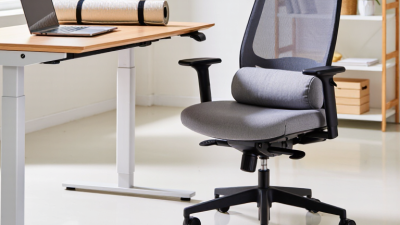
Tip 5: Improve daily posture, especially when lifting or using a screen.
Tip 6: Discuss sleep, weight, bone health, and work habits during appointments.
Tip 7: Treat warning signs seriously, including sudden weakness or loss of bladder control. Do not delay urgent care.
Treatment plans are rarely perfect. Progress may be uneven, and one exercise may not suit everyone. Reviewing the plan honestly can prevent avoidable setbacks.
Assessing Symptoms Through Clinical Examination and Diagnostic Imaging
Effective spinal disorder treatment begins with a careful clinical examination, not an image alone. The clinician records pain location, duration, triggers, sleep disruption, and previous injuries. Posture, walking pattern, spinal movement, and muscle balance can reveal useful clues. Pain location alone misleads. Strength, sensation, reflexes, and coordination require direct testing. New weakness, loss of bladder control, fever, or unexplained weight loss needs urgent medical attention.
Diagnostic imaging should answer a specific clinical question. X-rays can show alignment, fractures, or degenerative changes. MRI may clarify discs, nerves, and soft tissues. CT can provide detailed views of complex bone structures. However, an abnormal scan does not always explain pain. Many adults have disc bulges without symptoms. The scan must match the examination and the patient’s history.
Good assessment also compares current images with earlier studies when appropriate. It checks whether symptoms are changing, improving, or spreading. A second clinical opinion can prevent rushed decisions. Treatment plans may then include supervised exercise, activity adjustment, medication review, or specialist referral. In practice, clinicians sometimes overvalue dramatic images and undervalue simple examination findings. That deserves honest reflection. Careful reassessment remains essential when the diagnosis feels incomplete.
7 Tips for Effective Spinal Disorder Treatment: Assessing Symptoms Through Clinical Examination and Diagnostic Imaging
| Tip | Clinical Assessment Focus | Important Findings | Diagnostic Imaging Considerations | Treatment Planning Implication |
|---|---|---|---|---|
| 1. Record a detailed history | Assess pain location, onset, duration, severity, aggravating factors, trauma, fever, cancer history, infection risk, and previous treatment. | Radiating limb pain, numbness, weakness, night pain, or progressive symptoms may suggest nerve-root or spinal-cord involvement. | Imaging should be selected according to the clinical question rather than ordered routinely for uncomplicated acute back pain. | A clear history helps distinguish mechanical pain from conditions requiring urgent investigation or specialist referral. |
| 2. Perform a focused neurological examination | Test muscle strength, sensation, reflexes, gait, coordination, and relevant nerve-tension signs. | Objective weakness, altered reflexes, sensory loss, gait disturbance, or upper motor-neuron signs require careful follow-up. | MRI is generally preferred when significant or progressive neurological findings suggest nerve compression, infection, tumor, or cord disease. | Document baseline deficits so that changes can be monitored and treatment urgency can be determined. |
| 3. Screen for red flags | Ask about major trauma, suspected fracture, fever, immunosuppression, intravenous drug use, unexplained weight loss, cancer history, and bladder or bowel changes. | Saddle numbness, new urinary retention or incontinence, severe or progressive weakness, and suspected spinal infection require urgent medical assessment. | Urgent imaging may be appropriate when serious pathology is suspected; the modality depends on the suspected condition. | Red flags can change management from routine conservative care to emergency evaluation or expedited specialist review. |
| 4. Match imaging to the suspected disorder | Define whether the main concern involves bone, discs, nerves, the spinal cord, alignment, or instability. | Different symptoms point toward different anatomical structures and should guide test selection. | X-rays show alignment, fractures, and degenerative bony changes; MRI evaluates discs, nerves, the spinal cord, infection, and many tumors; CT provides detailed bone assessment and may be useful when MRI is unsuitable. | Choosing the appropriate modality improves diagnostic value while limiting unnecessary radiation, cost, and incidental findings. |
| 5. Interpret images with the examination | Compare imaging findings with the patient’s pain pattern, neurological deficits, age, and functional limitations. | Disc degeneration, bulging discs, and other age-related findings can occur in people without symptoms. | An abnormal scan does not automatically identify the pain source; clinical correlation is essential. | Avoid treating an incidental imaging finding when it does not match the clinical presentation. |
| 6. Reassess function and progress | Track walking tolerance, work or daily activities, range of motion, pain interference, strength, sensation, and medication response. | Improvement in function and stable neurological findings may support continued conservative management. | Repeat imaging is usually considered when symptoms change, neurological deficits progress, or results could alter management. | Use measurable goals and scheduled review to determine whether the treatment plan should continue, change, or be escalated. |
| 7. Use a multidisciplinary treatment plan | Consider education, activity modification, exercise-based rehabilitation, pain management, psychological factors, and specialist input when indicated. | Persistent disability, progressive neurological loss, structural instability, or serious pathology may require specialist assessment. | Imaging findings should support a specific management decision, such as surgical planning or evaluation of suspected serious disease. | Combine clinical findings, patient goals, risks, and expected benefits before considering invasive treatment. |
Note: This table is for general educational purposes and does not replace evaluation by a qualified healthcare professional.
Creating a Personalized Treatment Plan Based on Patient Needs
Effective spinal disorder treatment begins with a plan built around the patient, not only the scan. Pain intensity, movement limits, work demands, sleep quality, and personal goals all matter. A small detail can change the approach, such as numbness after sitting or pain that worsens at night.
Tip 1: Confirm the diagnosis through a qualified clinical assessment. Imaging can help, but it should support examination findings.
Tip 2: Set practical goals, such as walking for ten minutes or sleeping through the night.
Tip 3: Consider the patient’s age, health conditions, medications, and previous treatments.
Tip 4: Start with the least invasive suitable option, often guided exercise, posture changes, education, or supervised rehabilitation. Progress may feel slow.
Tip 5: Adjust treatment using regular feedback. A simple pain and activity diary can reveal patterns that memory misses.
Tip 6: Discuss risks, expected benefits, costs, and alternatives before procedures or surgery. Patients should have time to ask difficult questions.
Tip 7: Create a safety plan for warning signs, including new weakness, loss of bladder or bowel control, fever, or sudden severe pain. These symptoms need prompt medical evaluation.
No plan is perfect. Even experienced clinicians may revise it when recovery differs from expectations. Personalization means listening carefully, measuring change, and remaining willing to reconsider.
Combining Medication, Physical Therapy, and Lifestyle Adjustments
Effective spinal disorder treatment rarely depends on one intervention. A 2023 Lancet analysis estimated that 619 million people experienced low back pain globally in 2020. The number may reach 843 million by 2050. These figures support coordinated care, not quick fixes. Start with a qualified assessment, especially after weakness, numbness, fever, or bladder changes. A clinician can identify whether medication, physical therapy, or further testing is appropriate.
Use medication carefully and only as directed. Review benefits, side effects, and interactions with a healthcare professional. Physical therapy should build movement gradually through strengthening, mobility work, and education. Short walks may be more useful than prolonged bed rest.
Practice safe lifting, change sitting positions, and adjust your workstation. Small changes matter. The American College of Physicians recommends non-drug approaches for many cases of chronic low back pain before medication is considered.
Lifestyle support completes the plan. Protect regular sleep, manage stress, maintain a suitable body weight, and stop smoking if relevant. Track pain, walking tolerance, sleep, and medication use for two weeks. Share the record during follow-up. It makes progress more visible. A 2020 World Health Organization guideline also emphasizes education, exercise, and person-centered care for persistent primary low back pain. Still, improvement is rarely linear. One uncomfortable day does not always mean damage. Some plans fail because exercises progress too quickly, or because treatment ignores work demands and emotional strain. Reassessment is part of good care.
Monitoring Recovery and Preventing Future Spinal Problems
Monitoring recovery after spinal disorder treatment requires more than waiting for pain to disappear. Track pain intensity, walking distance, sleep quality, medication effects, and daily function in a simple weekly diary. Small details matter, such as standing five minutes longer or reaching a cupboard without guarding. The World Health Organization reported that low back pain affected 619 million people worldwide in 2020, with cases projected to reach 843 million by 2050. Recovery deserves careful attention.
Ask a qualified clinician to review progress regularly. Persistent pain does not always mean structural damage, and routine imaging is not recommended without clinical indications, according to the NICE guideline on low back pain and sciatica. Discuss gradual strengthening, mobility training, posture changes, and safe lifting technique. Avoid sudden increases in exercise. Too much, too soon can delay recovery. I have learned that pain scores alone can mislead; function and confidence may improve first.
Preventing future spinal problems also involves maintaining a healthy weight, taking movement breaks during desk work, and protecting sleep quality. Stop and seek urgent medical assessment if weakness progresses, or bladder control changes. Saddle numbness, fever, or unexplained weight loss also require prompt attention. The WHO recommends education, exercise, and psychological support when appropriate for chronic primary low back pain. These approaches are practical, but not perfect. Personal plans need adjustment. Reassessment matters.
7 Tips for Effective Spinal Disorder Treatment: Monitoring Recovery and Preventing Future Spinal Problems
Low back pain affected an estimated 619 million people worldwide in 2020 and is projected to affect approximately 843 million people by 2050. Regular monitoring, progressive exercise, healthy weight management, safe lifting techniques, and timely clinical assessment can help support recovery and reduce the risk of recurring spinal problems.
Source: World Health Organization, “Low back pain,” 2023; GBD 2021 Low Back Pain Collaborators, The Lancet, 2023.
Related Posts
-
What Are the Top Spinal Health Care Products?
-
China Top 10 Spine Surgery Device Manufacturers
-
What Are the Top Spine Surgery Techniques?
-
China Best Orthopedic Rehabilitation Programs for Effective Recovery?
-
Top Tips for Choosing Surgical Implants Safely and Effectively?
-
China Best Orthopedic Innovation in Medical Technology?