2026 Top Trends in Orthopedic Implants for Better Patient Outcomes?
The landscape of orthopedic implants is evolving rapidly. As technology advances, innovations promise better patient outcomes. These advancements are essential for improving recovery and enhancing mobility. Each year, we witness significant trends that redefine orthopedic care.
New materials and techniques are emerging. They aim to increase the longevity and effectiveness of orthopedic implants. For example, 3D printing is now enabling personalized implants tailored to individual patient needs. This customization could lead to a better fit and improved function, addressing common complications.
However, the journey is not without challenges. Some materials may trigger unforeseen reactions in patients. Continuous research and clinical trials are necessary to mitigate these risks. Successfully integrating these innovations into routine practice requires careful evaluation and accountability. This balance between innovation and safety is crucial for advancing orthopedic care.
Emerging Technologies in Orthopedic Implants for Enhanced Performance
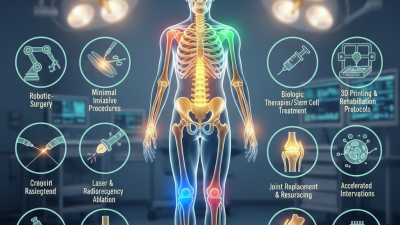
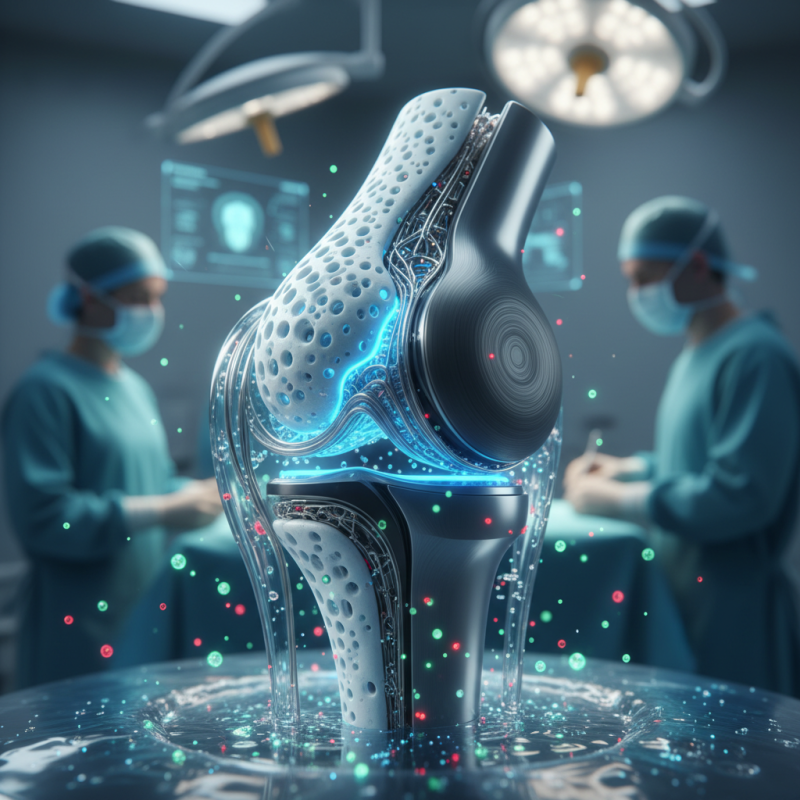
Emerging technologies are reshaping the landscape of orthopedic implants. 3D printing is gaining traction for custom implants. This method allows for precise fitting to a patient’s anatomy. It reduces surgery time and improves healing. Moreover, bioactive materials are being developed. These materials promote better integration with bone. This innovation could lead to fewer complications.
Robotics are also making an impact. Surgical robots enhance precision during procedures. This can lead to smaller incisions and quicker recoveries. Yet, the high cost of these technologies raises questions. Can all hospitals afford to implement them? Training for the surgical teams is essential for success. Without it, the benefits might not be fully realized.
Smart implants are another area of growth. These devices monitor patient progress in real-time. They can alert physicians to issues before they escalate. However, data privacy concerns must be addressed. How can patients be assured their information is secure? As the field evolves, these challenges must be navigated carefully. Each advancement brings both excitement and cautious reflection.
Biomaterials Innovation: Improving Biocompatibility and Longevity
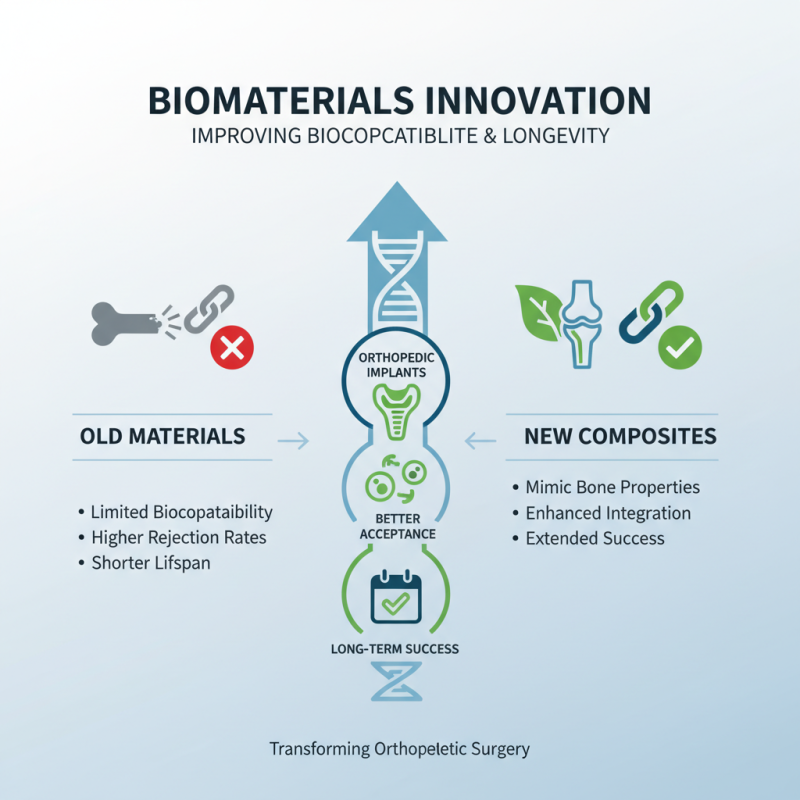
The evolution of biomaterials is transforming orthopedic implants. Innovations are leading to improved biocompatibility, which enhances how our bodies accept these materials. This is crucial for long-term success in orthopedic surgeries. For example, new composite materials are being developed that mimic bone properties. Such materials reduce rejection rates while promoting better integration with the surrounding tissue.
Tips: When considering implants, discuss the types of materials used with your doctor. Some biomaterials may offer advantages over traditional metals. Understanding these differences can lead to better outcomes.
The longevity of orthopedic implants is another critical aspect to explore. With advancements in coating technologies, implants can resist wear and corrosion more effectively. Enhanced durability means fewer surgeries for patients in the long run. However, the challenge remains to ensure that these innovative materials are both effective and affordable.
Tips: Always inquire about the latest research on implant longevity. Being proactive in discussions can help you choose the best options available. This informed approach can significantly impact your recovery and overall health.
Robotics and 3D Printing in Custom Orthopedic Implants
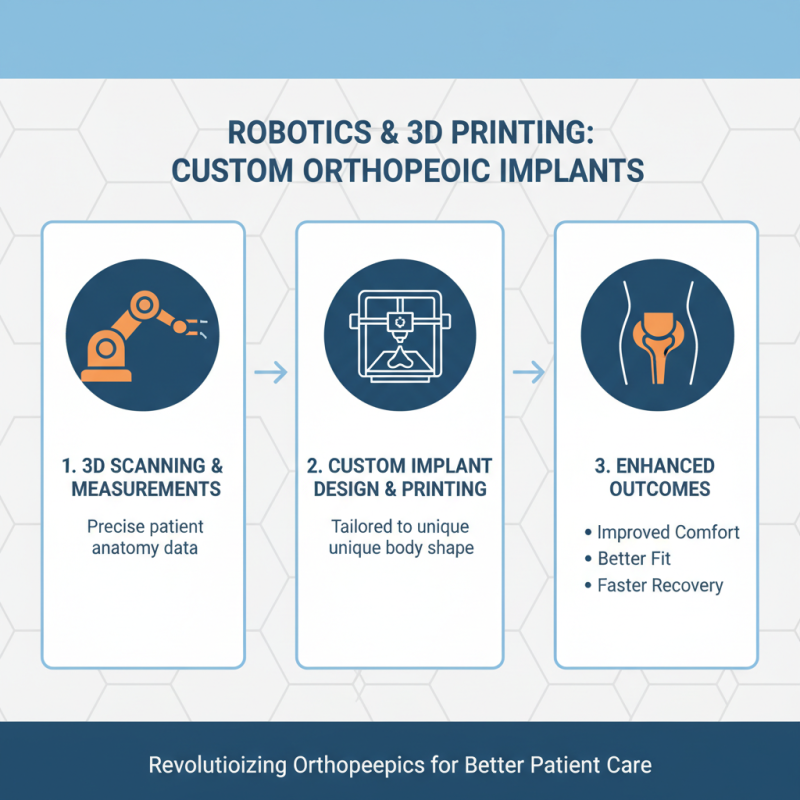
Robotics and 3D printing are revolutionizing the field of orthopedic implants. These technologies allow for the creation of custom implants tailored to a patient’s specific anatomy. This custom approach can enhance comfort and fit, resulting in better overall outcomes. Surgeons can now rely on precise measurements taken from 3D scans, ensuring the implants match the patient's unique body shape.
Robotic-assisted surgery is also improving implant placement accuracy. These systems provide real-time feedback during procedures. This technology reduces human error and minimizes trauma to surrounding tissues. Surgeons can perform complex procedures with greater ease. However, the integration of these advanced technologies poses challenges, including the need for training and adaptation.
While the benefits of robotics and 3D printing are evident, questions remain about long-term outcomes. As new materials and designs emerge, clinical studies are essential to validate their effectiveness. The medical community must continue to monitor and assess these innovations. Patient safety and the durability of implants must always be a priority. With ongoing research and development, the future of orthopedic implants looks promising, yet requires reflection and careful consideration.
Telehealth Integration for Post-Operative Monitoring and Support
Telehealth integration is reshaping post-operative care in the orthopedic field. A recent study found that 75% of patients appreciate remote monitoring. It enhances communication and reduces hospital visits. This method empowers patients by providing real-time feedback. So, how can we optimize this approach for better outcomes?
One key aspect is the use of wearable devices. They allow continuous monitoring of mobility and pain levels. Implementing these technologies leads to quicker interventions. According to a report from the American Academy of Orthopaedic Surgeons, telehealth can decrease readmission rates by up to 30%. However, accessibility remains an issue for some patients. This landscape requires ongoing refinement to include various demographics.
Here are some tips to improve telehealth experiences in post-operative care. Ensure devices are user-friendly for all ages. Providing clear instructions can help mitigate frustration. Encourage regular check-ins via apps or video calls, fostering a sense of connection. This can bridge gaps in communication. Enhanced patient engagement is critical for effective recovery.
2026 Top Trends in Orthopedic Implants for Better Patient Outcomes
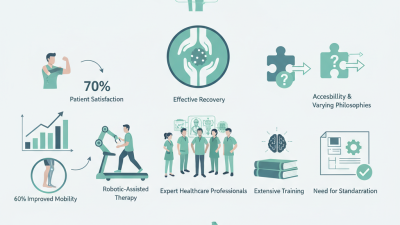
This chart illustrates the expected improvement in patient outcomes for various trends in orthopedic implants by 2026. Notably, telehealth integration is projected to significantly enhance post-operative monitoring and support.
Patient-Centered Design: Tailoring Implants for Individual Needs
The future of orthopedic implants focuses on
patient-centered design. This approach
prioritizes the individual needs and preferences of patients. It recognizes that every patient's body is
unique. Customized implants can improve comfort, function, and overall
satisfaction. Surgeons are increasingly using advanced imaging techniques.
These techniques help in creating precise models of a patient's anatomy. Tailoring implants accordingly
promotes better integration with the body.
However, achieving optimal customization can be challenging.
Not all patients have straightforward anatomical features. Variability in bone structure can complicate
the design process. Surgeons must balance customization with the proven performance of standard implants.
Sometimes, the desire for personalization may lead to increased costs.
This is a significant consideration for both patients and healthcare providers.
Despite these challenges, the emphasis on patient-centered design fosters innovation. Research is ongoing
to develop materials and techniques that accommodate
individual variations. Collaboration between orthopedic surgeons, engineers, and patients is vital. It ensures
that implants not only fit well but also meet functional goals. This holistic approach could lead to
improved patient outcomes and faster recovery times.