
How to Enhance Recovery in Orthopedic Rehabilitation?

Orthopedic rehabilitation is crucial for patients recovering from musculoskeletal injuries. According to the American Orthopaedic Society for Sports Medicine, nearly 25% of athletes sustain injuries that require some form of rehabilitation. Effective recovery strategies can significantly enhance patient outcomes. Research indicates that tailored rehabilitation programs improve function and reduce the risk of re-injury.

Despite advancements, many orthopedic rehabilitation protocols remain generic. Personalized approaches, including functional exercises and manual therapy, have shown promising results. A study published in the Journal of Orthopaedic & Sports Physical Therapy highlights that individualized plans lead to faster recovery times and greater patient satisfaction. However, practitioners must frequently assess and adjust these plans based on progress and patient feedback.

While tools like physical therapy and technology aid recovery, the human element is essential. Many therapists struggle with balancing evidence-based practices and individualized care. The challenge lies in ensuring patient adherence while addressing their unique needs. This dynamic warrants reflection on existing practices and continuous improvement in orthopedic rehabilitation strategies.
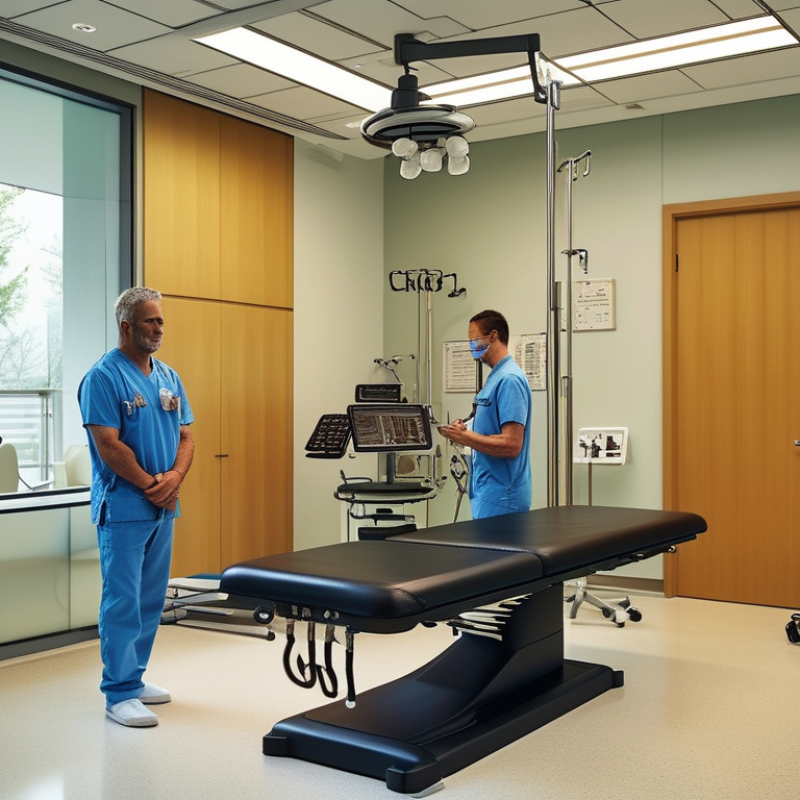
How to Enhance Recovery in Orthopedic Rehabilitation?

Key Principles of Orthopedic Rehabilitation: An Overview of Best Practices

Orthopedic rehabilitation is crucial for effective recovery. Adhering to key principles can significantly improve outcomes. Personalized treatment plans based on individual needs are essential. Every patient's situation is unique, requiring tailored exercises and therapies.

Integrating evidence-based practices is vital. Techniques like joint mobilization and strength training play a significant role. However, practitioners must remain open to adjustments. Continuous assessment is necessary to gauge progress. Failing to adapt can hinder recovery.

Collaboration with a multidisciplinary team enhances overall effectiveness. Physical therapists, physicians, and occupational therapists should communicate regularly. Through teamwork, they can identify possible setbacks and refine rehabilitation approaches. Flexibility in strategies often leads to better patient compliance and motivation. Empowering patients to take an active role can make a meaningful difference.
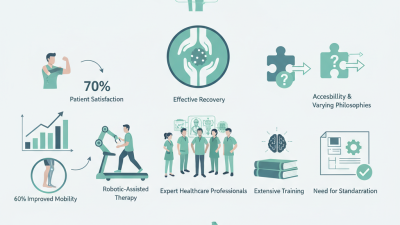
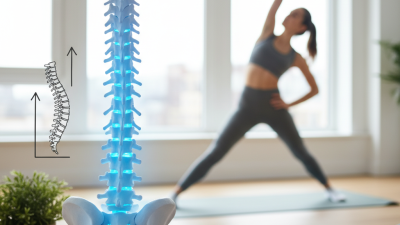
The Role of Exercise Therapy in Enhancing Recovery Outcomes in Orthopedics

Exercise therapy plays a pivotal role in orthopedic rehabilitation. It helps in restoring strength and improving mobility after injuries or surgeries. Therapeutic exercises can enhance circulation, reduce stiffness, and promote healing in affected areas. Patients often report feeling more empowered as they engage in their recovery process. This sense of agency can lead to better mental health outcomes.

While many people seek to recover quickly, not everyone responds the same way to exercise therapy. Some might experience discomfort or fatigue. It's essential to listen to one's body and adapt routines accordingly. Not every exercise will suit every individual, which leaves room for exploration and reassessment. Working closely with a qualified therapist can provide valuable insights into tailoring specific exercises.

The journey of recovery is rarely linear. Some days will feel more challenging than others. It is important to celebrate small victories, such as increased range of motion or reduced pain. On the other hand, setbacks can occur, often causing frustration. This is where patience and persistence come into play. Practicing mindfulness during recovery can form a supportive mental framework for navigating these ups and downs.

The Impact of Exercise Therapy on Recovery Outcomes in Orthopedic Rehabilitation

This chart illustrates the effectiveness of various types of exercise therapy in enhancing recovery outcomes for orthopedic patients. The data compares the average recovery improvement percentages across three main modalities of exercise therapy: Strength Training, Aerobic Exercise, and Flexibility Training.

Utilizing Evidence-Based Techniques for Pain Management in Rehabilitation

Pain management in orthopedic rehabilitation is crucial for effective recovery. A study by the American Academy of Orthopaedic Surgeons (AAOS) indicates that 50% of patients experience moderate to severe pain post-surgery. Managing this pain can enhance overall rehabilitation outcomes.

Utilizing evidence-based techniques is essential. Techniques such as physical therapy, cognitive-behavioral therapy, and pharmacological approaches have shown promise. For instance, research published in the Journal of Orthopaedic Research highlights that patients engaging in multimodal pain management experienced a 30% reduction in pain levels. This underscores the importance of a holistic approach in rehabilitation.

Despite the advancements, challenges remain. Not all patients respond similarly to pain management strategies. Personalized rehabilitation plans are often necessary. Ongoing assessments can identify what works and what needs adjustment. Continuous feedback can improve patient satisfaction and recovery times. In conclusion, integrating evidence-based pain management techniques is vital in optimizing orthopedic rehabilitation processes.

The Impact of Nutrition on Recovery Rates in Orthopedic Patients

Nutrition plays a vital role in the recovery of orthopedic patients. Adequate protein intake aids in muscle repair and tissue regeneration. Patients often overlook the importance of calories in their diets when recovering. Without sufficient energy, the body may struggle to heal effectively. This can result in prolonged recovery times.

Specific nutrients, like calcium and vitamin D, support bone health during recovery. These nutrients contribute to bone density and strength. Incorporating leafy greens, dairy, and fish can enhance dietary intake. However, some patients might resist nutritional changes. This resistance can hinder their recovery journey.

Hydration is equally crucial. Adequate fluid intake helps maintain joint lubrication and supports overall bodily functions. Yet, many patients underestimate their daily hydration needs. They might feel fine but still lack optimal fluid levels. Regular monitoring and slight adjustments can make a noticeable difference in recovery outcomes.

Incorporating Psychological Support for Comprehensive Recovery in Rehabilitation

In orthopedic rehabilitation, enhancing recovery involves more than physical therapy. Psychological support plays a vital role. Patients often face anxiety and depression during recovery. This emotional burden can hinder physical progress. Addressing mental health is crucial for a holistic approach.

Incorporating strategies like mindfulness can improve resilience. Techniques such as guided imagery or deep breathing provide relief. Patients often feel overwhelmed. Simple coping strategies can make a difference. Moreover, support groups create a sense of community. Sharing experiences can help individuals feel less isolated.

However, implementing psychological support is not always straightforward. Some patients may resist discussing their feelings. Trust takes time to build. It's important for healthcare professionals to approach these conversations gently. By fostering an environment of openness, patients may feel more comfortable sharing their struggles. Emphasizing the connection between mind and body can lead to better outcomes in rehabilitation.

How to Enhance Recovery in Orthopedic Rehabilitation? - Incorporating Psychological Support for Comprehensive Recovery in Rehabilitation

Recovery Aspect Importance Psychological Support Techniques Expected Outcomes
Pain Management High Cognitive-behavioral therapy Reduced pain perception
Motivation Critical Goal-setting strategies Increased adherence to rehab
Stress Management Moderate Mindfulness meditation Improved emotional wellbeing
Social Support High Support groups Enhanced recovery experience
Goal Realization Critical Visualization techniques Achievement of rehabilitation milestones
Menu
Quick Contact
close slider


error: Content is protected !!