



How to Effectively Treat Bone Fractures for Faster Recovery?
Bone fractures can significantly impact daily life. Understanding effective bone fracture treatment is crucial for ensuring a faster recovery. Various factors influence the healing process. Age, overall health, and the type of fracture all play a role.
In many cases, treating a fracture involves more than just immobilization. Patients must follow specific rehabilitation protocols. Physical therapy often becomes a vital component of the healing journey. Proper nutrition also supports bone health, aiding recovery.
However, many patients overlook these aspects. They may think rest is all that’s needed. In reality, an active approach can make a significant difference. Engaging with healthcare providers delivers tailored solutions. This can help optimize the healing process. Choosing appropriate treatment methods is essential. Awareness and education are key in achieving a successful recovery.

Understanding Bone Fractures: Types and Causes
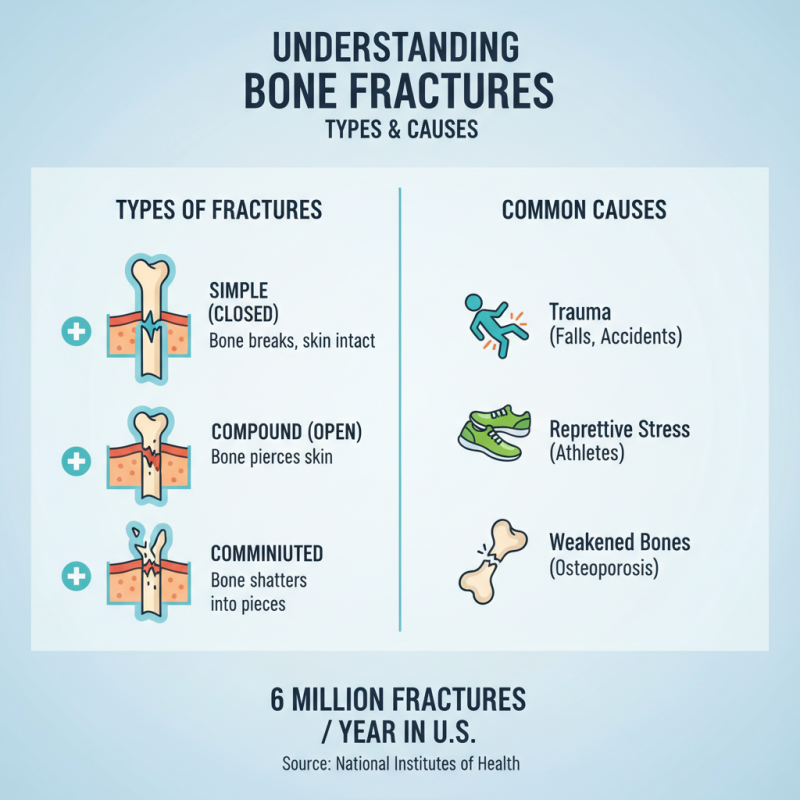
Understanding bone fractures is crucial for effective treatment and recovery. Fractures can be classified into several types: simple, compound, and comminuted. Each type has unique characteristics that affect recovery time and treatment approaches. According to the National Institutes of Health, around 6 million fractures occur in the United States each year, highlighting the prevalence and impact of these injuries on public health.
The causes of fractures vary widely. High-impact sports injuries, falls, and osteoporosis are notable contributors. In adults over 50, osteoporosis increases fracture risk significantly. Reports indicate that over 10 million Americans suffer from this condition. This statistic underscores the importance of preventive measures, such as strength training and adequate calcium intake, to enhance bone health.
Recognizing the signs and symptoms of fractures early on can lead to faster recovery. Pain, swelling, and impaired mobility are common indicators. Timely medical intervention is vital to reducing complications. However, many individuals may delay seeking treatment due to misconceptions about minor injuries. Proper education and awareness can help address these gaps, ensuring timely and effective care. Understanding the types and causes of bone fractures is the first step towards a successful recovery journey.
Initial Assessment and Diagnosis of Bone Fractures
When a bone fracture occurs, quick and accurate assessment is crucial. Start by identifying the type of fracture. Is it a closed fracture, where the skin remains intact? Or is it an open fracture, which involves a break in the skin? Noticing these details can help determine the severity. Assessing the range of motion in nearby joints is essential. Pain levels can indicate the extent of the damage.
For a successful diagnosis, maintain a calm environment. This helps the injured person relax. Apply ice to reduce swelling. Use a makeshift splint to limit movement if necessary. Seek medical attention promptly. X-rays are often required for a comprehensive evaluation. These images provide detailed insight into the fracture type and location.
**Tips:** Always check for additional injuries. Fractures may accompany soft tissue damage. Monitor vital signs; changes can signal serious complications. Don't ignore persistent pain or swelling. They could indicate an underlying issue, even after initial assessments. Stay observant and communicate your findings to healthcare professionals. Your input is crucial for effective treatment.
How to Effectively Treat Bone Fractures for Faster Recovery? - Initial Assessment and Diagnosis of Bone Fractures
| Assessment Method | Description | Importance |
|---|---|---|
| Physical Examination | Manual assessment to check for swelling, tenderness, or deformities. | Initial detection of fractures and assessment of severity. |
| X-ray Imaging | Radiographic technique to visualize bone structure and fractures. | Essential for diagnosis and treatment planning. |
| MRI Scans | Advanced imaging for detailed views of soft tissues and bone marrow. | Used for complex fractures or to detect associated injuries. |
| CT Scans | Cross-sectional imaging for comprehensive bone detail. | Useful in planning surgery for complex fractures. |
| Bone Density Test | Assessment of bone strength to evaluate osteoporosis risk. | Critical for understanding fracture risk in patients. |
Treatment Options: Surgical vs. Non-Surgical Approaches
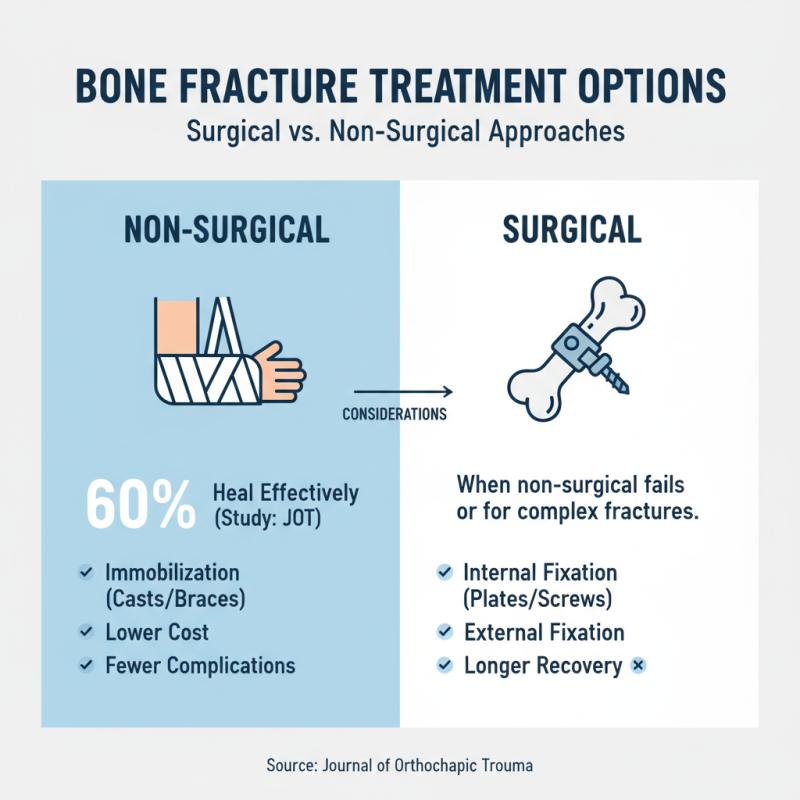
When considering treatment options for bone fractures, you can choose between surgical and non-surgical approaches. According to a study published in the Journal of Orthopaedic Trauma, around 60% of fractures can heal effectively with non-surgical methods. This typically includes immobilization with casts or braces, which support the bone while it heals. Non-surgical treatment is often preferred for its lower cost and fewer complications.
However, surgical options may be necessary for specific fracture types. Complex fractures, particularly those involving the joint or bone fragments that are misaligned, often require surgery. A report from the American Academy of Orthopaedic Surgeons indicates that approximately 40% of patients with fractures undergo surgical intervention. Surgeons employ techniques like internal fixation to realign bones, which can significantly shorten recovery time.
Both treatment methods have their pros and cons. Non-surgical approaches are less invasive but may lead to longer recovery periods in some cases. Conversely, surgery can be effective but carries risks like infection. Treating bone fractures requires careful consideration of individual circumstances and ongoing reflection on the best approach, as the path to recovery can vary widely.
Rehabilitation Strategies for Faster Recovery Post-Fracture
Rehabilitation after a bone fracture is crucial. It minimizes complications and promotes a speedy recovery. The right exercises and strategies can make a significant difference in regaining strength and mobility.
Physical therapy plays a vital role. A certified therapist can tailor a program to your specific needs. Gentle range-of-motion exercises can help restore flexibility. Gradually, resistance exercises are introduced to rebuild muscle strength. Regular sessions can keep you motivated.
**Tips:** Focus on your nutrition. Protein-rich foods support muscle repair. Hydration is key for overall health. Listen to your body. If an exercise causes pain, halt and reassess your approach. Keep a journal to track your progress and setbacks. Celebrate small victories, like increased mobility, to stay encouraged.
Engaging in low-impact activities, like swimming, can also aid recovery. They strengthen muscles without stressing bones. Yet, it’s essential to remain patient. Healing takes time, and pushing too hard may lead to further injuries. Stay mindful of your limits.
Preventive Measures to Reduce the Risk of Future Fractures
Preventing future bone fractures is crucial for maintaining a healthy lifestyle. Start by evaluating your diet. Ensure you consume enough calcium and vitamin D. These nutrients strengthen bones. Incorporate dairy, leafy greens, and fortified foods into your meals. Staying hydrated is also vital. Dehydration can weaken bone strength.
Regular exercise plays a significant role in fracture prevention. Weight-bearing activities improve bone density. Try walking, jogging, or yoga. However, be mindful of your limits. Not every exercise suits everyone. Overexertion could lead to injuries. Always listen to your body and consult a professional if needed.
Lastly, consider your environment. Create safe spaces at home to reduce fall risks. Remove clutter and ensure adequate lighting. Be aware of uneven surfaces outdoors. Small changes can make a big difference. Reflect on your daily habits and make adjustments toward safety.