Top 5 Effective Tips for Spinal Injury Treatment Strategies?
Spinal injuries can drastically alter lives. Effective spinal injury treatment is crucial for recovery. Dr. James Matthews, a leading expert in spinal rehabilitation, states, "The path to recovery is not just about physical healing; it's about regaining hope." His insight sheds light on the complex journey of rehabilitation.
Many strategies exist in spinal injury treatment. Each approach can vary based on the individual. Patients often face emotional and physical challenges. This varies widely and requires tailored solutions. Not every treatment works for everyone, making it vital to adapt strategies to patient needs.
Additionally, traditional methods often fall short. Integration of innovative therapies can enhance recovery. Listening to patient experiences reveals gaps in treatment. Focusing on personal stories can lead to better solutions. Exploring the top five effective strategies, we aim to empower both patients and practitioners in this challenging landscape.

Understanding Spinal Injuries: Types and Causes
Spinal injuries can result from various causes, including sports accidents, falls, and vehicular collisions. Understanding the types of spinal injuries is crucial. They can range from mild sprains to severe damage, such as fractures or complete spinal cord injuries. Each type requires a unique treatment strategy for recovery.
One effective tip for spinal injury treatment is to prioritize rest initially. This allows the body to start its healing process without further strain. Gradually, physical therapy becomes essential. Tailored exercises can help regain mobility and strength. A well-structured therapy program, overseen by professionals, ensures safety and effectiveness.
Another valuable tip involves pain management. Utilizing techniques like ice or heat therapy can provide relief. Alternative methods, such as acupuncture or mindfulness meditation, might also be beneficial. Each method varies in effectiveness among individuals, leading to a mix of experiences. It's vital to assess what works best personally.
Top 5 Effective Tips for Spinal Injury Treatment Strategies
| Tip |
Description |
Effectiveness |
| Immediate Ice Application |
Applying ice packs to the injured area to reduce swelling and pain. |
High |
| Physical Therapy |
Engaging in guided exercises to strengthen muscles around the spine. |
Very High |
| Medication Management |
Using anti-inflammatory and pain relievers as directed. |
Moderate |
| Surgical Intervention |
Performing surgeries such as decompression or fusion when necessary. |
High |
| Lifestyle Modifications |
Implementing changes like weight management, ergonomic adjustments. |
High |
Initial Assessment: Diagnosing Spinal Injuries Effectively
Diagnosing spinal injuries requires a comprehensive assessment. Clinicians should begin with a thorough patient history. Understanding the mechanism of injury helps identify potential damage. Is the pain localized or radiating? Answers to these questions guide the initial evaluation. Observations of the patient’s posture can reveal crucial information.
Physical examination follows the history. Testing reflexes and muscle strength provides insight into nerve function. Assessing range of motion in the neck and back is crucial. Look for signs of instability or deformity. Sometimes, this process is challenging. Not all injuries are immediately evident. Delays in diagnosis can lead to complications.
Imaging studies often play a key role. X-rays can highlight fractures. However, subtle injuries might require an MRI for clarity. Each step is critical for effective treatment. Early detection enhances recovery chances. Yet, if the assessment is rushed, it may overlook significant issues. A meticulous approach is paramount.
Top 5 Effective Tips for Spinal Injury Treatment Strategies
Rehabilitation Techniques: Physical Therapy and Beyond
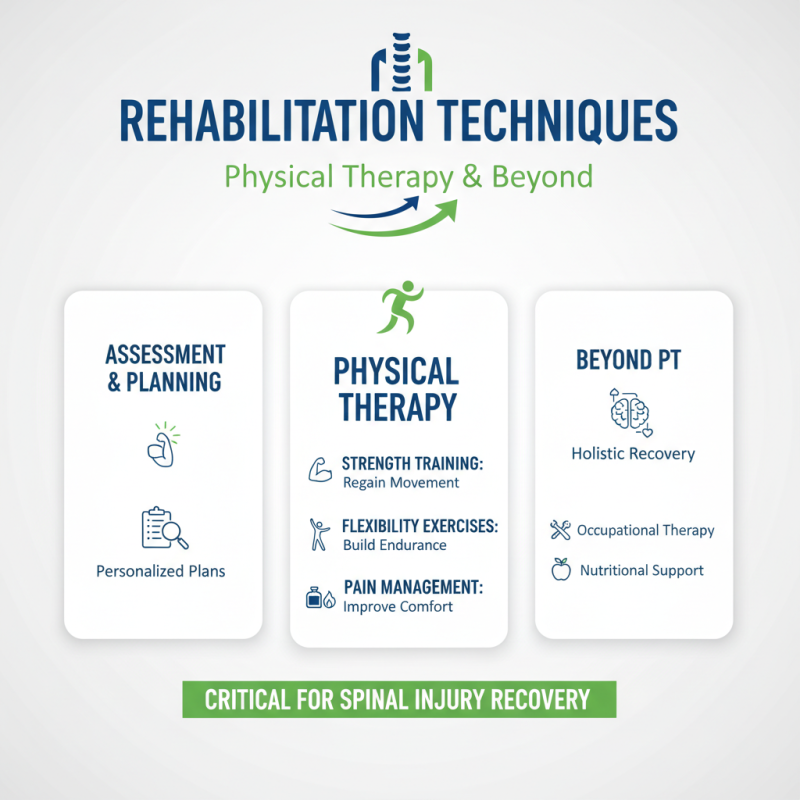
Rehabilitation after a spinal injury is critical for recovery. Physical therapy plays a central role. Therapists assess the injury and create personalized plans. Their strategies often include strength training, flexibility exercises, and pain management techniques. Each session is designed to help regain movement and build endurance.
Beyond physical therapy, alternative methods can enhance recovery. Occupational therapy focuses on daily activities. It helps patients adapt their routines to live more independently. Mindfulness and relaxation techniques are also beneficial. These approaches reduce stress and encourage a positive outlook. Patients find that mental well-being is as vital as physical strength.
Progress can be slow, and setbacks may occur. It's essential to stay patient and committed to the process. Sometimes, improvement may feel minimal. Yet, even small gains can lead to significant changes over time. Celebrate these milestones, and continue to seek support from healthcare professionals. Effective rehabilitation is a journey, not a sprint.
Pain Management Strategies for Spinal Injury Recovery
Managing pain during spinal injury recovery is crucial for healing. Patients often face chronic discomfort, which can hinder rehabilitation efforts. Effective pain management strategies can significantly improve quality of life.
One effective approach is physical therapy. Targeted exercises can enhance mobility and strength. Therapists customize plans based on individual needs. Another helpful method includes mindfulness practices, which help reduce stress and promote relaxation. Techniques like deep breathing can be beneficial.
Medication may also play a role. Non-opioid options can help manage pain without the risks associated with stronger prescriptions. However, reliance on medication should be monitored closely. Regular consultations with healthcare providers are vital. This ensures adjustments are made as needed. Pain management requires a multi-faceted strategy. Finding what works best is an ongoing process.
Lifestyle Adjustments: Supporting Long-Term Spinal Health
When dealing with spinal injuries, lifestyle adjustments play a crucial role in supporting long-term spinal health. Research shows that 60% of spinal injury patients report significant lifestyle changes post-injury. These adjustments often include adopting a balanced diet, which can help in the healing process. Foods rich in omega-3 fatty acids provide anti-inflammatory benefits, potentially easing discomfort.
Regular physical activity is another cornerstone of recovery. Studies indicate that individuals engaging in low-impact exercises experience a 40% improvement in mobility and pain reduction. This highlights the importance of tailored exercise plans. Moreover, ensuring proper ergonomics in daily life can prevent further strain. Simple modifications, such as using supportive chairs or adjusting computer screens, can contribute to better spinal alignment.
Mental health is equally important. Chronic pain can lead to anxiety or depression in 30% of patients. Mindfulness and stress reduction techniques can assist in coping with these emotions. Incorporating relaxation practices into daily routines can foster resilience, providing patients with a greater sense of control over their recovery journey. Each of these lifestyle changes may not lead to immediate success, but patience and commitment can yield substantial benefits over time.