

Why Choose Joint Reconstruction Surgery for Pain Relief?

Joint reconstruction surgery offers a viable solution for individuals struggling with persistent joint pain. This surgery aims to relieve discomfort and restore mobility in damaged joints. With condition progression, many people find that conservative treatments lose effectiveness. In cases like severe arthritis or injury, joint reconstruction surgery becomes a more appealing option.

The decision to undergo such a procedure is significant and personal. Patients often worry about recovery time and potential complications. It is crucial to consult with qualified orthopedic specialists to understand the risks and benefits. These experts provide invaluable insights based on years of experience and research. They help tailor treatment plans that meet the unique needs of each patient.

Choosing joint reconstruction surgery can lead to improved quality of life. Many patients report enhanced physical activity and decreased pain levels after recovery. Still, it’s essential to have realistic expectations and remain patient with the healing process. The journey toward recovery can have ups and downs, requiring ongoing adjustments and support.
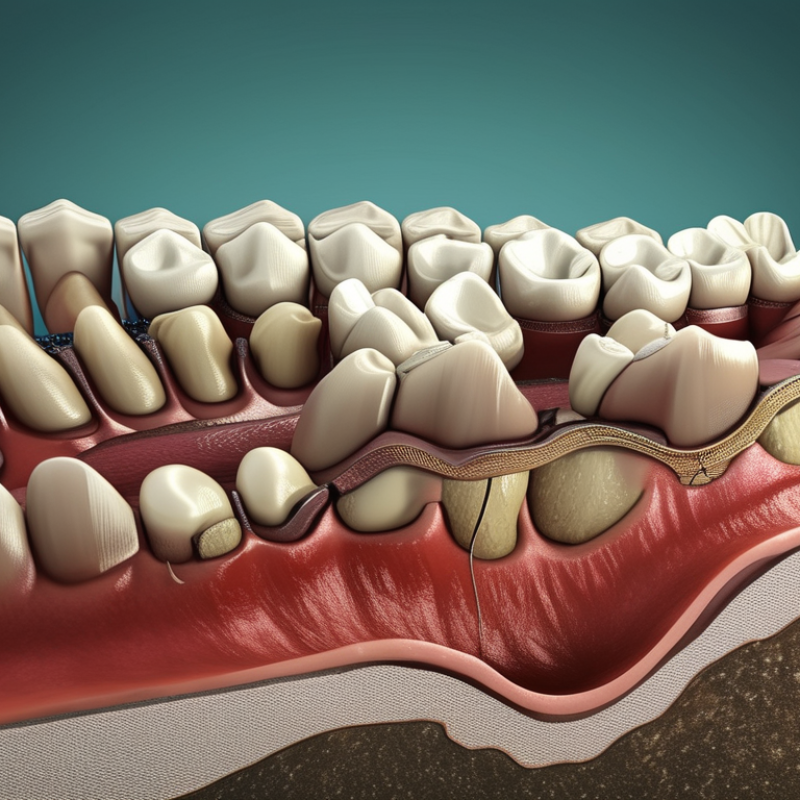
Why Choose Joint Reconstruction Surgery for Pain Relief?

Understanding Joint Reconstruction Surgery: An Overview

Joint reconstruction surgery is a significant option for those suffering from chronic joint pain. Understanding how this procedure works can help patients make informed decisions. It aims to restore function and relieve pain by repairing or replacing damaged joints. Candidates often include individuals with arthritis or injuries.

During consultation, surgeons evaluate joint conditions through imaging and physical assessments. They discuss potential benefits and the expected recovery process. This surgical option may seem daunting, but many find relief and improved mobility after recovery. However, not all outcomes are perfect. Some may experience complications or prolonged rehabilitation.

Patients should weigh the risks and benefits carefully. Education on the procedure can empower individuals to choose wisely. They might also consider non-surgical alternatives first. Each patient’s journey is unique, and understanding one’s body is crucial for effective treatment. A collaborative approach with healthcare providers can guide you through the process.


Reasons for Choosing Joint Reconstruction Surgery for Pain Relief

This bar chart illustrates the benefits of joint reconstruction surgery as reported by patients. A significant percentage of individuals experience chronic pain management, improved mobility, enhanced quality of life, lasting results, and overall satisfaction following the procedure.

Common Conditions Leading to Joint Pain and Treatment Options

Joint pain affects millions, often stemming from conditions like osteoarthritis, rheumatoid arthritis, or injuries. According to the CDC, over 32 million adults in the U.S. are diagnosed with osteoarthritis. This degenerative disease can cause severe pain and limit mobility, significantly affecting daily life.

Many individuals explore treatment options, starting with conservative approaches like physical therapy and medications. However, when these methods fail, joint reconstruction surgery can offer lasting relief. Data from the American Academy of Orthopaedic Surgeons shows that more than 600,000 knee replacements are performed annually in the U.S. This procedure can effectively alleviate pain while restoring function in patients with advanced joint degeneration.

While surgery presents a viable solution, it is essential to consider the challenges involved. Recovery can be a lengthy process, requiring commitment to rehabilitation. Some patients experience complications or less-than-expected outcomes. This reality encourages ongoing discussions between patients and healthcare providers. Open communication about expectations and concerns is crucial for a successful surgical journey.

The Benefits of Choosing Joint Reconstruction for Pain Relief

Choosing joint reconstruction surgery can significantly enhance pain relief for many patients. This surgery addresses the underlying issues in damaged joints, ultimately improving mobility and quality of life. One of the primary benefits is that it can lead to long-term pain reduction. Patients often find themselves able to engage in daily activities without discomfort. The surgical procedure can restore function that many believed was lost.

Patients should consider several tips before undergoing surgery. Understanding the procedure and recovery timeline is vital. Consulting with an experienced orthopedic surgeon can clarify expectations. It's essential to have realistic goals and be prepared for the rehabilitation process.

In addition, building a support system before surgery can ease recovery. Family and friends can provide the necessary assistance during the healing phase. Attending physical therapy sessions regularly is crucial for regaining strength and mobility. Remember, every patient's journey is unique, and adjusting your approach may be necessary. Joint reconstruction surgery can be a powerful tool for achieving pain relief and regaining life’s pleasures.

Why Choose Joint Reconstruction Surgery for Pain Relief? - The Benefits of Choosing Joint Reconstruction for Pain Relief

Benefit Description Expected Outcome
Pain Relief Significant reduction of joint pain and discomfort. Improved quality of life and daily functioning.
Mobility Improvement Restoration of joint function and range of motion. Enhanced ability to perform everyday activities.
Long-Term Solutions Provides a permanent solution to joint degeneration. Reduced need for ongoing medication and treatments.
Increased Activity Levels Encouragement to participate in physical activities. Better overall health and fitness.
Personalized Treatment Surgery tailored to individual patient's needs. Optimal surgical outcomes and satisfaction.

What to Expect During the Joint Reconstruction Surgery Process

Joint reconstruction surgery is a critical option for those experiencing chronic pain. Understanding what to expect during this process can significantly ease anxiety. The surgery typically begins with a thorough assessment. Medical professionals will gather your history and perform imaging tests. They want to grasp the extent of the issue clearly. This step is essential for crafting a personalized treatment plan.

On the day of surgery, you will receive anesthesia. The surgical team will explain the procedure and address any concerns. The actual operation may take several hours, but you will be monitored closely throughout. After the surgery, expect some pain and swelling. These are normal reactions as your body begins to heal.

Physical rehabilitation is crucial for optimal recovery. You may start with gentle movements a few days post-surgery. However, progress can vary significantly from one person to another. Some may find the early recovery challenging. It's vital to keep communication open with your healthcare team. They are there to support you as you navigate this journey toward pain relief and improved mobility.

Post-Surgery Rehabilitation: Maximizing Pain Relief and Mobility

Rehabilitation after joint reconstruction surgery is crucial for maximizing pain relief and restoring mobility. A recent study by the American Academy of Orthopaedic Surgeons highlights that successful rehabilitation can reduce post-surgical pain by up to 30%. This emphasizes the need for a structured and individualized rehabilitation plan, which often includes physical therapy tailored to the patient's specific needs.

Effective rehabilitation focuses on gradual strengthening exercises. These exercises aim to improve range of motion and enhance joint stability. The transition from passive to active rehabilitation phases is essential, as it encourages the patient to take an active role in their recovery. However, many patients face obstacles, such as pain management and mobility challenges that can hinder progress. In some cases, nearly 25% of patients reported feeling discouraged during their rehabilitation journey due to these difficulties.

Continuous assessment and adjustments to the rehabilitation approach are necessary. This dynamic process can involve feedback from healthcare professionals and adjustments in pain management strategies. Studies show that patients who actively partake in their rehabilitation experience better recovery outcomes. The involvement in one’s own recovery not only builds confidence but also fosters a deeper understanding of the body's limits and capabilities. Understanding these challenges is imperative for those considering joint reconstruction surgery.

Menu
Quick Contact
close slider


error: Content is protected !!