Top Chaga Powder Suppliers for Wholesale Buyers
Wholesale interest in functional mushrooms is growing, but a supplier shortlist needs more than a polished product page. The Organic Trade Association reported that U.S. organic sales reached $69.7 billion in 2023, up 3.4% year over year. This is broad market context, not a Chaga-specific forecast. The Council for Responsible Nutrition’s 2023 consumer survey found that 74% of U.S. adults used dietary supplements. For buyers, these figures point to a crowded market where sourcing details can distinguish one offer from another. That matters.
When comparing Chaga Powder suppliers, check the species identification, country and region of origin, processing method, and available batch documentation. Ask for a current certificate of analysis that covers identity and relevant contaminants, and confirm whether testing comes from an independent laboratory. Request clear specifications for particle size, moisture, packaging, minimum order quantities, and lead times. A sample can reveal practical details a specification sheet misses: color, aroma, texture, and how the powder disperses. Small details count.
This guide focuses on wholesale suppliers and the evidence buyers can use to assess them. No single certificate proves every quality claim, and “organic” alone does not establish consistency between batches. Supplier information may also be incomplete; that is a reason to ask follow-up questions, not to assume the worst. Compare answers, records, and samples before placing a large order. The best fit is the supplier whose claims remain clear and verifiable when the questions get specific.
Understanding Chaga Powder and Its Wholesale Market
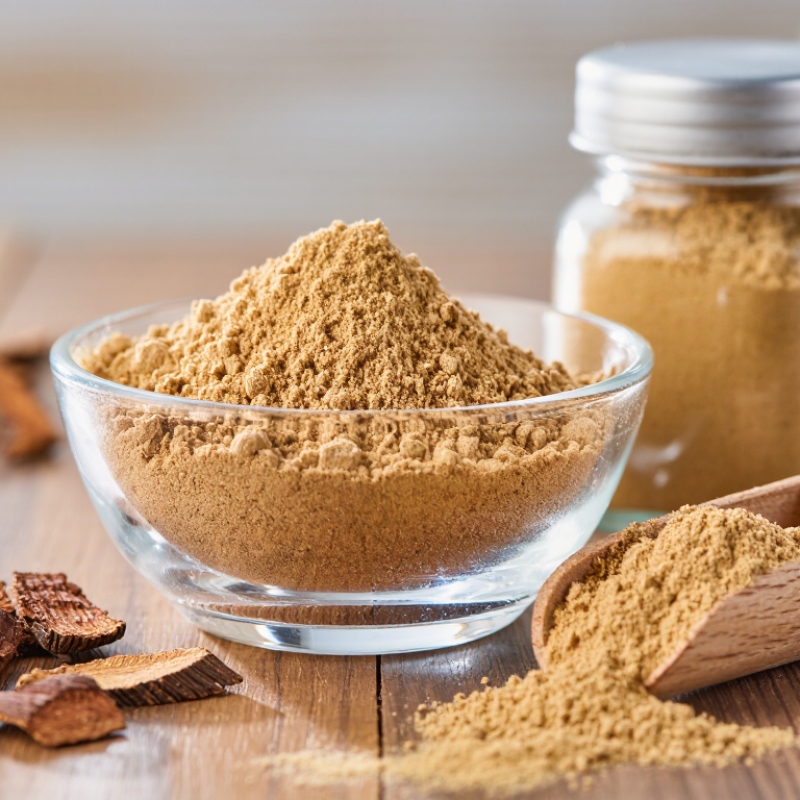
Chaga powder comes from the sterile, dark growth of Inonotus obliquus, commonly found on birch trees in cold regions. It is not the same as cultivated culinary mushroom powder. Wild sourcing can make supply seasonal and variable. Color, grind, moisture, and soluble compounds may differ between lots.
Wholesale buyers should read market figures carefully. Grand View Research estimated the global functional mushroom market at USD 31.7 billion in 2023, with projected growth through 2030; this is a broad category, not a chaga sales estimate. FAOSTAT recorded about 11.9 million tonnes of mushrooms and truffles in 2022, but its category does not isolate wild chaga. These figures show interest in mushrooms, not guaranteed demand for a specific powder. That gap matters.
A useful supplier specification names the species and source region, and distinguishes raw powder from extract. Request lot-level results for identity, moisture, microbial counts, heavy metals, and particle size. Ask how any beta-glucan result was measured; methods can affect comparisons. I would not treat a polished certificate as proof of consistent supply. Check whether the tested sample matches the shipment, and retain a sealed reference sample when evaluating a new lot.
Types of Chaga Powder Suppliers and Sourcing Models
Wholesale buyers typically source chaga powder from processors, ingredient distributors, or harvesting cooperatives. Each model offers a different balance of control and convenience. A processor may manage drying, milling, and batch records directly. Ask whether the powder comes from the fruiting body, mycelium, or a stated combination. Clear answers matter.
Distributors can consolidate orders and offer smaller minimum quantities. That helps buyers testing demand, though the supply chain may include extra handling steps. Request the country or region of origin, harvest details, and a recent batch-specific analysis. Microbial and heavy-metal results are useful checks, not just paperwork. Compare the tested sample with the lot you will receive.
Direct contracts with harvesters or cooperatives may improve traceability, but seasonal availability can complicate repeat orders. Spot purchases suit short trials; scheduled contracts can support steadier production. Some suppliers also offer custom milling or packing, which may affect lead times and minimums. A low quote can look attractive. Still, the cheapest option is not automatically the best fit, and a polished sample cannot prove every future batch will match. Check specifications again before scaling an order.
Key Quality Standards and Certifications to Check
Wholesale buyers should evaluate chaga powder by more than its color or fine texture. Request a lot-specific certificate of analysis and check that it names the tested product and batch. It should report identity, moisture, microbial results, and relevant contaminants, such as heavy metals and pesticide residues. Ask how the supplier confirms the species and which part of the mushroom is used. Details matter.
Certifications can support a quality review, but their scope matters. Check whether an organic certificate covers the actual product, facility, and current production period. For food-safety certifications, confirm the site and activities included in the audit. Ask for current documents and verify them with the issuing organization when possible. A certificate alone does not prove every batch meets your specifications. Paperwork can look tidy while leaving practical questions unanswered.
Tips: Compare samples from separate lots, not just one. Request clear storage guidance and packaging details, such as moisture protection and resealing. If test methods or limits are unclear, ask the supplier to explain them in writing. A careful supplier should answer plainly, though no checklist removes every uncertainty.
How to Compare Supplier Pricing, Capacity, and Terms
Top Chaga Powder Suppliers for Wholesale Buyers
Comparing chaga powder suppliers takes more than checking the price per kilogram. Ask for quotes at several order sizes, since a lower unit price may require a larger commitment. Compare the quoted grade, mesh size, packaging, and shipping costs on the same basis. Small details matter. A 20-kilogram order in lined bags is not directly comparable to a pallet packed in bulk sacks.
Capacity deserves equal attention. Ask how much finished powder is available now, what the normal lead time is, and whether supply changes by season. Request a recent certificate of analysis and ask which tests were performed, such as identity, moisture, and contaminant screening. Check that documents match the lot you may receive. A polished document is useful, but it is not the same as independent verification. That distinction is easy to overlook.
Read payment, sample, and delivery terms before placing a trial order. Clarify minimum quantities, deposit requirements, claims windows, and what happens if a shipment arrives late or damaged. A small sample can reveal color, aroma, and how the powder behaves in a blend. Still, samples may not represent every production lot. No spreadsheet catches everything. Keep notes from each conversation, compare written offers, and leave room for a cautious first order rather than buying on price alone.
Steps to Evaluate and Select a Wholesale Supplier
A wholesale supplier should be assessed through documents and product samples, not a polished catalog alone. Request a current specification sheet showing the botanical identity, country of origin, ingredient list, and processing method. Ask for lot-specific test results covering identity, microbial quality, and relevant contaminants, such as heavy metals. Check whether an independent laboratory performed the tests and whether the report matches the lot offered. Small details matter.
Order a sample before discussing a large commitment. Inspect the powder for consistent color, smell, texture, and packaging, then compare it with the written specifications. These checks cannot confirm every quality claim, but they can expose obvious inconsistencies. Confirm minimum order quantities, lead times, storage guidance, and how the supplier handles delayed or damaged shipments. Request traceability records and clear answers about changes between production lots. It is tempting to choose the lowest price, yet an unusually low quote deserves careful questions about testing, processing, and included services. No checklist removes uncertainty; records may be incomplete, and a sample may not represent every future batch. Keep the evaluation notes, and verify that product documents meet the requirements for your intended market.
Top Chaga Powder Suppliers for Wholesale Buyers: Evaluation Criteria
Suggested evaluation weights for comparing wholesale suppliers. Prioritize verifiable product specifications, batch-level testing, and traceability; adjust the weights to match your market and compliance requirements.