
7 Best Musculoskeletal Health Products for Global Buyers

Musculoskeletal health has become a global purchasing priority, not a niche wellness concern. The World Health Organization reports that approximately 1.71 billion people live with musculoskeletal conditions worldwide. Low back pain remains the leading contributor to this burden. The Global Burden of Disease Study, published in The Lancet Rheumatology in 2023, estimated 619 million people experienced low back pain in 2020. That figure may reach 843 million by 2050.

The numbers affect workplaces, households, clinics, and active lifestyles. A warehouse worker may need supportive footwear after long shifts. An older buyer may value an easy-grip mobility aid. An athlete may seek recovery equipment with clear usage instructions. These examples show why one product cannot serve every market or body.

This guide examines seven musculoskeletal health products for global buyers. It considers practical design, intended use, evidence quality, durability, user comfort, and regulatory awareness. Product categories may include braces, ergonomic supports, mobility aids, recovery tools, and posture-related equipment. The selection is not a medical prescription. It is a purchasing framework.

Evidence matters more than polished packaging. Buyers should review clinical claims, material specifications, warranty terms, and local compliance requirements. The WHO’s Musculoskeletal Health framework also emphasizes prevention, timely care, rehabilitation, and accessible services. That broader view is important.

No ranking fits everyone. Some products appear useful but lack strong independent evidence. Others work well only when fitted correctly. This guide keeps that limitation visible. Responsible buying requires professional advice when pain persists, worsens, or follows an injury.
7 Best Musculoskeletal Health Products for Global Buyers

What Are Musculoskeletal Health Products?

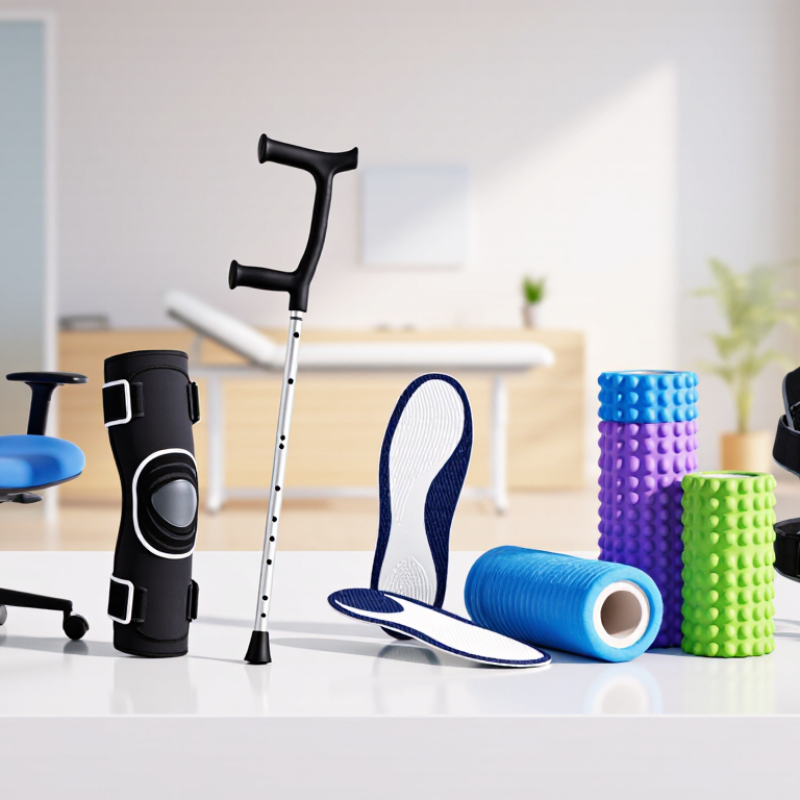
Musculoskeletal health products are tools designed to support bones, joints, muscles, tendons, and movement. They may reduce strain, improve comfort, or assist recovery during daily activities. Common groups include joint braces, compression supports, orthopedic insoles, ergonomic cushions, mobility aids, therapy tools, and recovery accessories.

A knee brace can provide stability during walking or exercise. An adjustable lumbar support may improve sitting posture at a desk. Insoles can change pressure distribution inside footwear.

Therapy products may include resistance bands, massage tools, or cold and heat packs. These products support care, but they do not automatically treat injuries or chronic conditions. Fit matters. Measure carefully.

For global buyers, product evaluation should include material safety, size ranges, cleaning instructions, durability, and clear usage guidance. Packaging should explain limitations in understandable language.

Regional requirements also differ, especially for products making medical claims. Buyers should request test reports, traceable manufacturing details, and evidence supporting performance claims. Evidence is uneven.

A qualified clinician can help match a product with a person’s condition, activity level, and mobility needs. Users should stop if numbness, swelling, skin irritation, or increasing pain appears.

Some products feel supportive at first but restrict movement when worn too tightly. That detail is easy to miss. Good purchasing decisions balance comfort, function, verified information, and realistic expectations.
Seven Key Product Categories for Musculoskeletal Support

Seven Key Product Categories for Musculoskeletal Support

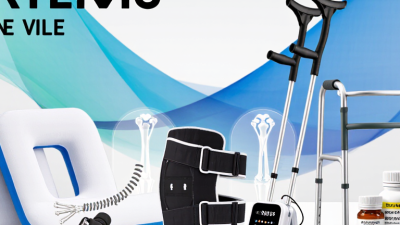
Global buyers can explore seven practical categories for musculoskeletal support. These include joint braces, compression sleeves, ergonomic supports, mobility aids, exercise tools, hot and cold therapy products, and nutritional supplements. Each category addresses different needs, from stabilizing a knee during walking to improving posture at a desk. A breathable brace with adjustable straps may suit active users, while a firm mobility aid may require professional fitting. Comfort matters. Poor sizing can reduce usefulness.

Reliable purchasing requires more than attractive packaging. Buyers should review material safety, manufacturing controls, instructions, and available clinical evidence. For supplements, check ingredient transparency, dosage guidance, testing records, and local import rules. Exercise bands and recovery rollers should resist tearing and include clear usage instructions. Orthotic products need careful assessment, especially for users with pain, swelling, or balance concerns. These details help buyers compare products responsibly across different markets.

Tips: Match the product to the user’s activity, age, and mobility level. Request samples before large orders. Test grip, stitching, odor, and cleaning instructions. Ask qualified healthcare professionals about persistent pain or sudden weakness. Do not treat support products as replacements for diagnosis. My own product reviews can also miss long-term comfort, so feedback from regular users remains valuable. Availability may vary by country. Check labeling and regulatory requirements before distribution.

How Each Product Supports Bones, Joints, Muscles, or Recovery

7 Best Musculoskeletal Health Products for Global Buyers

Musculoskeletal conditions affect about 1.71 billion people worldwide, according to the World Health Organization’s 2022 report. Calcium and vitamin D products support normal bone maintenance, especially when dietary intake is low. Resistance bands provide progressive loading for muscles and bones. Adjustable dumbbells offer greater strength progression at home. The American College of Sports Medicine recommends muscle-strengthening activity at least twice weekly. Small details matter.

Joint-support braces can improve stability during selected activities, but they should not replace diagnosis or rehabilitation. Protein powders may help active adults reach daily protein targets. The International Society of Sports Nutrition commonly cites 1.4–2.0 grams per kilogram daily for exercising individuals. Individual needs vary with age, kidney health, training, and diet. More protein is not automatically better.

Foam rollers can temporarily reduce perceived tightness and improve movement comfort. Massage devices may support short-term recovery after training, although evidence remains mixed. Heat and cold packs offer practical symptom management for some strains and joint discomfort. The Global Burden of Disease Study identifies low-back pain as a leading cause of disability. Recovery is not a cure. Buyers should check material safety, electrical certification, sizing, and regional medical-device rules. I would also question dramatic claims, because product quality and user technique often matter more than packaging.

7 Best Musculoskeletal Health Products for Global Buyers - How Each Product Supports Bones, Joints, Muscles, or Recovery

A practical comparison of widely available product categories, their primary use, evidence profile, and key purchasing considerations.

Product Category Primary System Supported Key Nutrient or Ingredient How It May Help Typical Use Information Evidence Profile Important Buyer Considerations
Calcium plus Vitamin D Supplement
Bone Support
Bones and teeth Elemental calcium and vitamin D Calcium is a major structural mineral in bone. Vitamin D supports calcium absorption and normal bone mineralization. Adults generally require approximately 1,000–1,200 mg of calcium per day from food and supplements combined, depending on age and sex. Vitamin D needs commonly range from 600–800 IU per day for adults, depending on age. Strong for correcting inadequate intake
Most useful when dietary intake or vitamin D status is insufficient.
Check the amount of elemental calcium rather than the total compound weight. Excess intake may cause constipation or other risks. Consider vitamin D testing and professional advice for high-dose use.
Collagen Peptide Powder
Joint and Connective Tissue
Joints, tendons, ligaments, and skin connective tissue Hydrolyzed collagen peptides Provides amino acids used in connective-tissue formation. Some studies report modest improvements in exercise-related joint discomfort or mobility. Products commonly provide approximately 5–15 g per serving. Adequate total dietary protein remains more important than collagen alone for general recovery. Promising but limited
Results vary by formulation, dose, duration, and participant group.
Look for clear collagen source, peptide amount, allergen information, and third-party contaminant testing. Fish, bovine, and porcine sources may affect market suitability and dietary preferences.
Omega-3 EPA/DHA Supplement
Joint Health
Joints and general inflammatory balance Eicosapentaenoic acid and docosahexaenoic acid EPA and DHA are long-chain omega-3 fats. They may help support cardiovascular health and may provide modest symptom support in some inflammatory joint conditions. Compare the actual combined EPA plus DHA amount, not only the total fish-oil weight. Food sources include oily fish such as salmon, sardines, and mackerel. Moderate for selected uses
Joint-pain effects are variable and should not be treated as a replacement for prescribed therapy.
Check oxidation or freshness testing, heavy-metal controls, source sustainability, and vegetarian alternatives such as algae-derived DHA/EPA. High doses may interact with anticoagulant treatment.
Glucosamine and Chondroitin Formula
Joint Comfort
Joints, especially knees affected by osteoarthritis Glucosamine sulfate and chondroitin sulfate These compounds are components of cartilage and joint tissues. Some users report improved comfort, although they have not been consistently shown to rebuild damaged cartilage. Clinical studies have used different forms and doses, so standardized labeling is important. Benefits, when present, may take several weeks to assess. Mixed and formulation-dependent
Research results are inconsistent across products and populations.
Use caution with shellfish allergies, diabetes, and anticoagulant medicines. Buyers should avoid products that promise cartilage regeneration or guaranteed pain relief.
Creatine Monohydrate
Muscle Strength and Recovery
Skeletal muscle and exercise performance Creatine monohydrate Increases muscle phosphocreatine stores, helping support repeated high-intensity activity, strength gains, and lean-mass development when combined with resistance training. A common maintenance amount is 3–5 g per day. A loading phase is optional and is not required for long-term benefits. Adequate hydration is recommended. Strong
One of the most researched sports-nutrition ingredients for strength and lean-mass support.
Choose single-ingredient products with batch testing and clear purity specifications. People with kidney disease, pregnancy, or relevant medical conditions should seek professional advice before use.
High-Quality Protein Powder
Muscle Maintenance and Recovery
Skeletal muscle and post-exercise recovery Complete protein, such as whey, milk, egg, soy, or blended plant proteins Helps users meet daily protein needs, supporting muscle protein synthesis and maintenance when combined with sufficient energy and resistance exercise. Many products provide approximately 20–30 g of protein per serving. Total daily protein needs vary by body size, age, activity level, and health status. Strong for meeting protein needs
No powder is inherently superior to adequate protein from whole foods.
Review protein grams, amino-acid profile, added sugar, allergen declarations, heavy-metal screening, and suitability for vegetarian, vegan, or lactose-free markets.
Topical Diclofenac Gel
Localized Joint Pain Relief
Painful superficial joints, commonly the knees, hands, or other osteoarthritis-affected areas Topical diclofenac, a non-steroidal anti-inflammatory drug Reduces local pain and inflammation by inhibiting cyclooxygenase-related prostaglandin production. It supports symptom control rather than structural repair or muscle growth. Use only according to the product’s approved concentration, label directions, and duration limits. Absorption is generally lower than with oral NSAIDs, but systemic exposure still occurs. Strong for short-term localized osteoarthritis pain Regulatory status and permitted concentrations differ by country. Avoid broken skin and contact with eyes. Review cardiovascular, kidney, gastrointestinal, pregnancy, and NSAID-allergy warnings with a healthcare professional.
Important note: These product categories are not interchangeable and do not replace diagnosis, physiotherapy, prescribed treatment, or a balanced diet. Product quality, dosage, legal status, and health claims can vary by country. Buyers should request certificates of analysis, allergen documentation, stability data, and contaminant testing where applicable.

How to Compare Product Quality, Evidence, and Intended Use

7 Best Musculoskeletal Health Products for Global Buyers

Choosing the “best” product depends on evidence, quality, and intended use. WHO reports that musculoskeletal conditions affect about 1.71 billion people worldwide. The seven common categories include braces, orthotic supports, heat or cold therapy, TENS devices, massage tools, exercise equipment, and joint supplements. Each serves a different purpose. A brace may improve stability, while an exercise band supports rehabilitation. It should not replace clinical assessment. For electrical devices, check safety testing and instructions for the target market. ISO 13485 certification can indicate a controlled medical-device quality system, but it does not prove clinical effectiveness.
Compare evidence carefully. Look for randomized trials, systematic reviews, and clearly stated outcomes. Cochrane reviews often distinguish short-term pain relief from lasting functional improvement. Read the study population, dosage, treatment period, and adverse-event data.
A product tested only in healthy adults may not suit older users or people with osteoporosis. Packaging quality also matters: sealed materials, traceable batch numbers, readable instructions, and realistic claims show stronger procurement discipline. I have found that low price comparisons can miss durability and after-sales support. That is a useful weakness to acknowledge.
Tips: Build a simple scorecard with quality controls, clinical evidence, intended user, maintenance needs, and local compliance. Ask whether the product is a wellness item or a regulated medical device. Check WHO guidance, national regulators, and independent test reports before ordering. Avoid claims promising permanent pain relief. They are rarely supported by robust evidence.

Global Buying Considerations: Safety, Standards, and Regulations

7 Best Musculoskeletal Health Products for Global Buyers

Global buyers should assess seven product groups: support braces, hot and cold packs, massage tools, resistance bands, posture aids, mobility supports, and electrical recovery devices. Each group carries different safety risks. A brace may restrict circulation if poorly fitted. A heated pack can burn skin when temperature controls fail. Product instructions must explain fitting, cleaning, storage, and safe use in clear language.

Check the manufacturer’s quality system before comparing prices. ISO 13485 certification can support confidence in medical device production, but it does not replace local approval. Materials touching skin may require biocompatibility evidence, such as testing aligned with ISO 10993. Electrical products need suitable electrical safety testing, while wireless devices may require radio compliance. Requirements differ across markets. Confirm classification, registration, labeling, and import documents with local authorities.

Ask for batch records, risk assessments, test reports, and a traceable complaint process. Packaging should show lot numbers, warnings, expiry dates, and authorized importer details when required. Samples deserve careful inspection. Look for sharp seams, unstable straps, strong odors, inaccurate temperature displays, or unclear translations. A checklist helps, but it can miss real-world problems. Testing products after repeated washing, bending, and daily handling often reveals weaknesses that factory photos hide. Low cost is tempting. Replacement claims and safety incidents cost more.

Menu
Quick Contact
close slider


error: Content is protected !!